Earth Day events are a great way to highlight the power of students
By Fran Alvarado, FRN Programs Associate
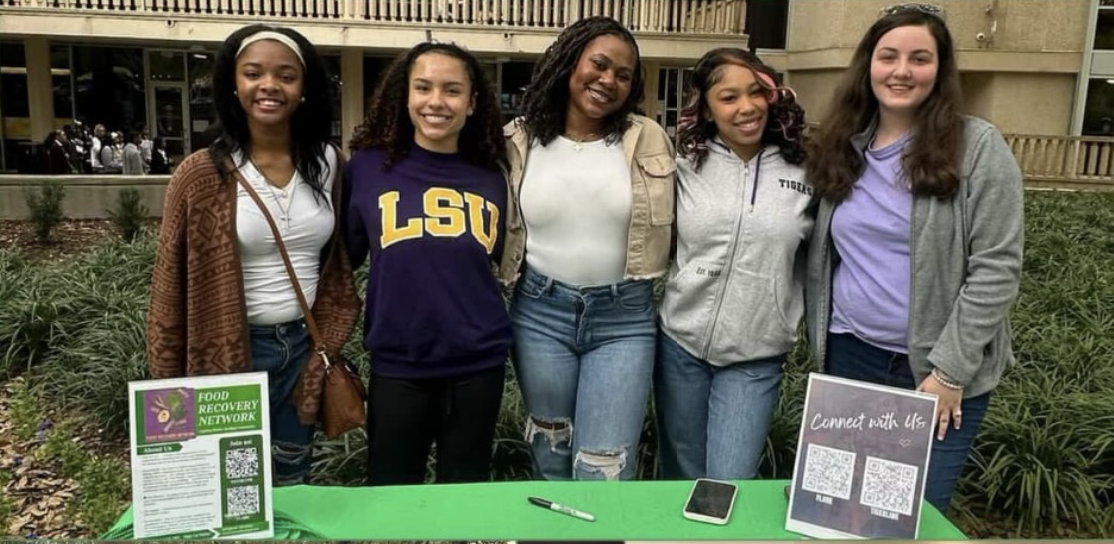
Louisiana State University
"You are never too small to make a difference." — Greta Thunberg
As we come upon Earth Day 2026, I have been reflecting on what Earth Day means to me. It’s more than one singular day, and lately has manifested into more of a feeling. What is great about Earth Day is how it happens during the season of change from winter to spring. There are many events around communities celebrating the day itself while highlighting sustainable companies, actions, clubs, and people.
I have been working in the environmental space for ten years now, and it's been both rewarding and frustrating to watch the environmental movement. The frustration lies in how slow our progress seems to feel at a grand scale. If I have learned anything in these past 10 years, it is that one person can make a difference. It may take a few years to see success, but how can we make progress if we never question our status quo?
Every student on a college campus holds power. Earth Day events are an excellent showcase of highlighting student power. The one consistent thing about college campuses is that students are always changing, but are always supported in their efforts on campus, even when the administration doesn't agree with change. Sustainability goes beyond recycling, using less water, and everyday actions you can take to save resources. It’s about asking questions and changing how your community thinks about waste as a whole.
What is special about college campuses is how they operate. In the United States, there is no national waste legislation that manages how waste is generated, disposed of, or recycled. In fact, there are between 17 - 20 states with preemption laws against regulating single-use plastic waste. Even if a city wanted to regulate single-use plastics, the state can veto their efforts by threatening to take away state funding.
On a college campus, though, if a student government wanted to place an ordinance to ban a certain type of waste, they can, and if they can’t implement the change, they can set a resolution. Your voice matters as a student, and it’s heard throughout campus even when you think no one is listening. If you are currently a student on a college campus, you can be the change or start the change. Food Recovery Network is here to help you make a change on campus. It’s never too late to start a new project on campus. The best part of starting is knowing you are joining the 200+ chapters currently making change on campus.
This Earth Month, here are quick tips on how you can stay engaged with green action on your campus:
Break Free From Plastic Pledge from Post Landfill Action Network
Attend an Earth Day Event
Plan a Campus Race to Zero Waste (next year)
Host a waste audit
Join green clubs on campus
Plan a food recovery for graduation
Incorporate a sustainable practice in your current food recoveries
If you don’t have an FRN chapter on campus, start one today
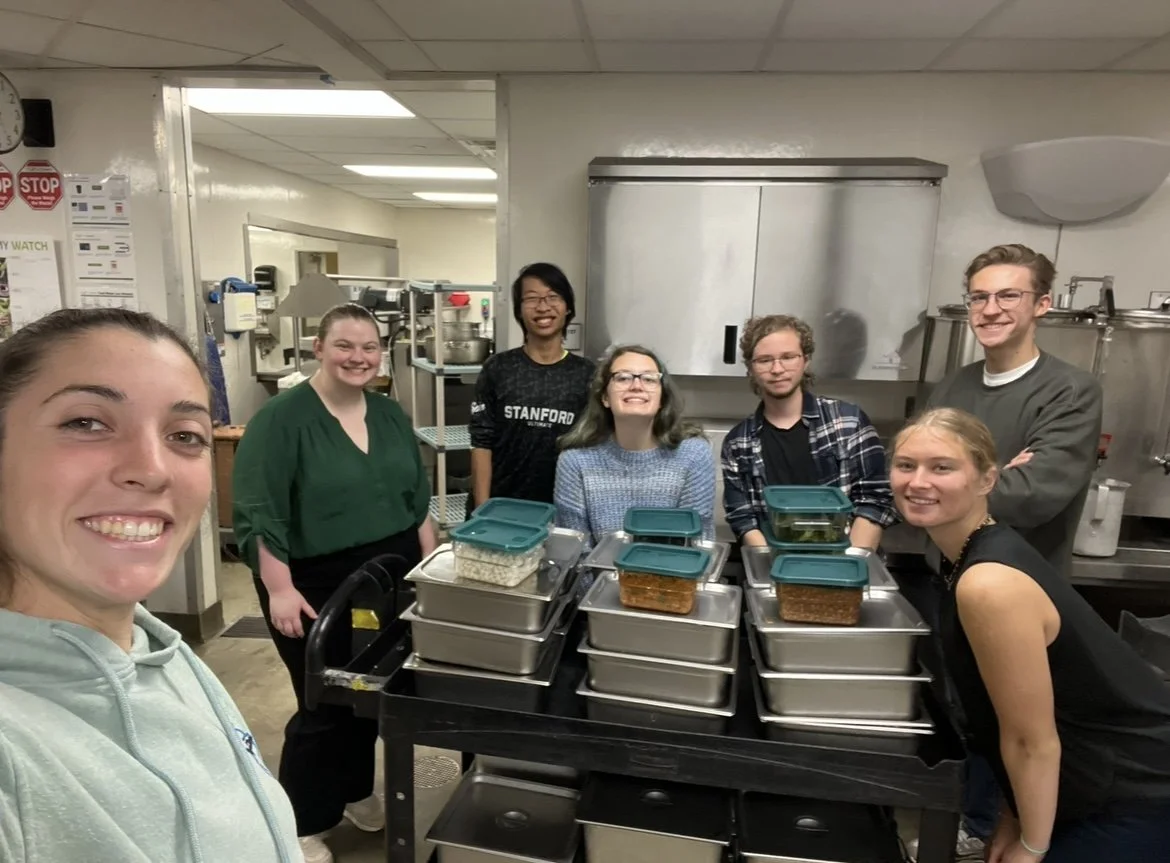
University of Mary Washington
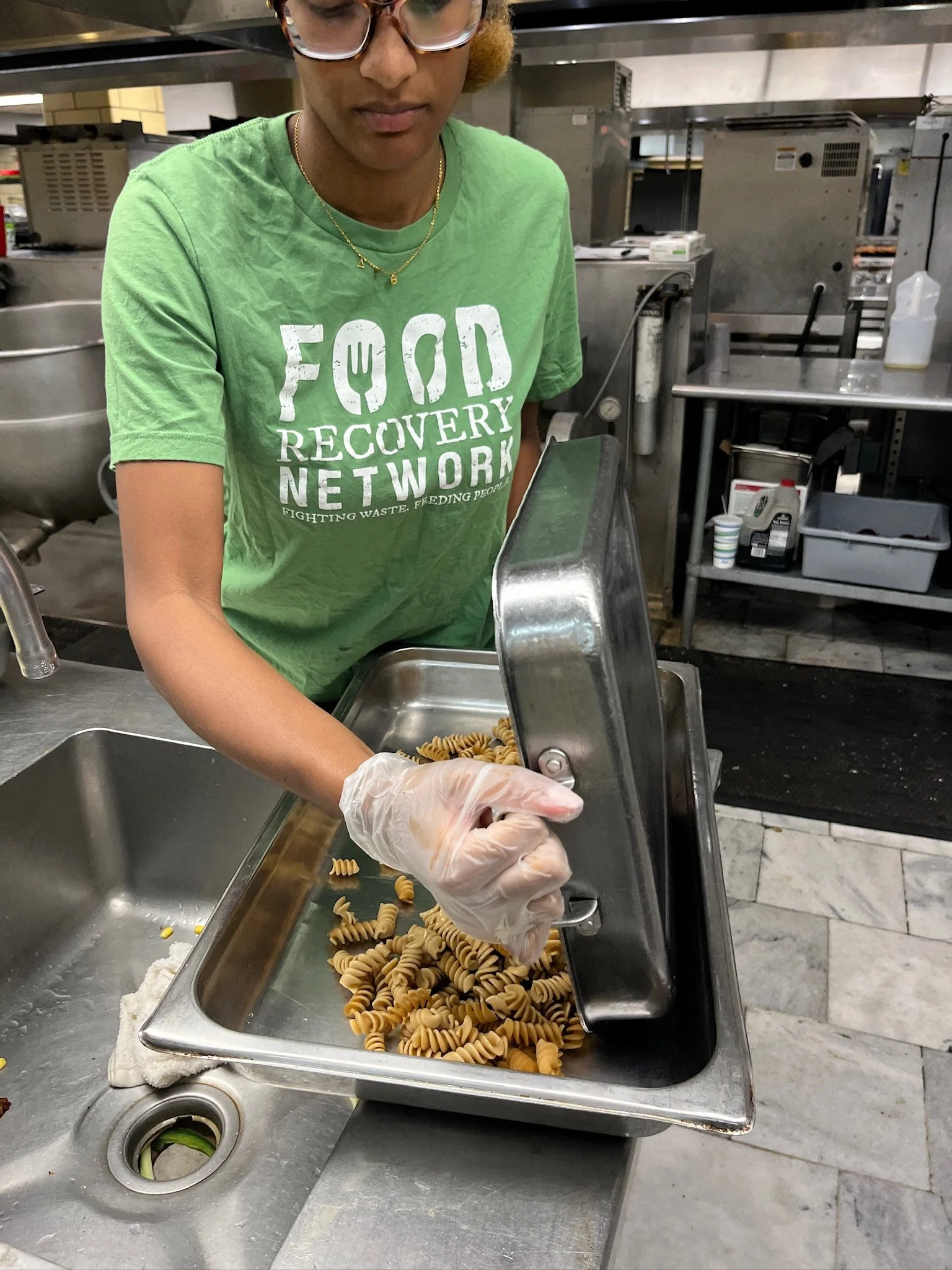
North Carolina A&T
The best advice I have ever received was “people don’t know what they don’t know.” Everyone is focused on their own agendas and priorities. For dining on campus, it's about feeding their students every day. For the campus, it's about running the buildings, ensuring classes start on time, and monitoring that turn-ons work. When you teach people about your priorities, they can begin to understand why it matters and incorporate them into their everyday lives.
Earth Day Action Advice:
Imagine a world without rules.
What policies would be in place to help your campus reduce waste? What kind of infrastructure would you need to accomplish your goals? What sustainable practices would need to be institutionalized? Once you know the result, start to work backwards on tangible solutions.
Research what your community already believes and stands for.
Is there a green action plan on campus? Does your dining company have sustainability goals? What are the current viewpoints on environmental issues by your student government?
3Cs: Communication, cooperation, and collaboration
If you have these 3Cs in your efforts, making effective change is possible. You need collaborations to ensure stakeholder involvement, communication to keep projects moving forward, and cooperation from all parties involved.
You are not alone in the environmental change you want to create on campus. Every day, a sustainable win is happening, and it’s exciting to see positive change happening. As more college campuses begin to join the environmental movement, the momentum of change can only grow exponentially.