Update on Our Data-Driven Map Approach
This is a follow up blog post from our original mapping blog post {linked}.
FRN prides itself on learning from communities across the country and developing customized solutions to fight food waste and feed people.
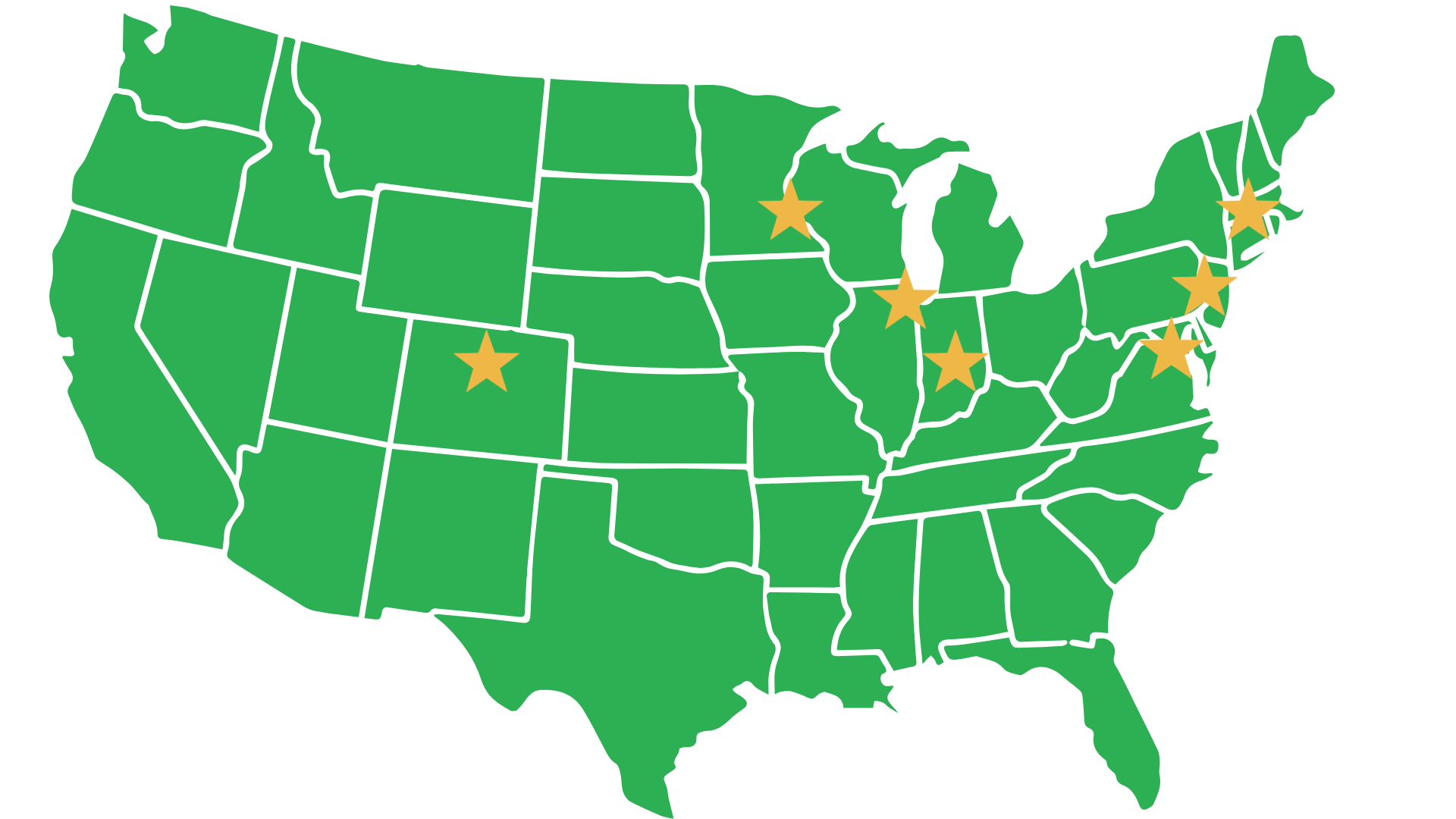
In 2023, our data-driven maps identified one target county in each state where we could grow our student-chapter footprint to recover and reduce food waste to feed people. Since then, we’ve focused on increasing our grassroots presence from 60% to nearly 80% of our targeted counties with the intention of developing and replicating our programs in specific communities to close food access disparities.
Through learning with neighbors over the past two years, we realized that while hunger exists in every zip code, it does not exist equally in every zip code. Our initial target counties treated the opportunity for recovering and redistributing food as equal, when in fact, there were greater disparities and opportunities in some locations more so than others. Additionally, the reductions in funding to SNAP and local food purchasing programs have disproportionately impacted some communities more than others.
The increase in demand for food, coupled with rising food prices, which increased 3.1% in 2025 and nearly 30% cumulatively since the pandemic, has strained families and food systems. With the current economic atmosphere, our target communities have been more receptive to piloting new models to address food insecurity, such as partnering with food rescue organizations, such as FRN, to create more distribution hubs to increase access points to food and specifically, surplus fresh produce.
In many of these communities, because of FRN’s data-driven methodology, we already have relationships and an infrastructure that can be quickly leveraged to meet the demand. FRN has successfully piloted a number of surplus food recovery and distribution programs over the past several years, expanding beyond our historical student-chapter model.
All of this together means FRN is revising our maps. We are taking what we have learned from our partners, along with the changing food insecurity landscape, to better reflect the food access disparities across communities, specific needs, and possible opportunities that would benefit from the range of FRN’s programs.
Revised targeted counties will be released in summer 2026, along with FRN’s ambitious new plans to deploy the most relevant programs needed to help fight food waste and feed people.