Guest commentary: The real cost of food waste in Baltimore — Baltimore Sun
ByRegina Harmon
PUBLISHED: June 25, 2026 at 2:02 PM EDT
In the United States, 47 million people are experiencing hunger. In Baltimore County, 31% of parents report that their children are often not eating enough because of the cost of food. According to Johns Hopkins, 28% of Baltimore residents remain food insecure. As grocery prices continue to place a heavy burden on household budgets, up to 40% of the U.S. food supply is wasted, according to the USDA.
This waste is not just a social issue; it is an environmental and economic one as well. When we throw away perfectly good food, we aren’t just wasting a meal. We are discarding the water, energy and labor that went into producing it — resources that have all become significantly more expensive in today’s economy — while creating methane in landfills that accelerates climate change. Recovering surplus food is one of the most effective ways individuals and businesses can fight climate change and hunger simultaneously.
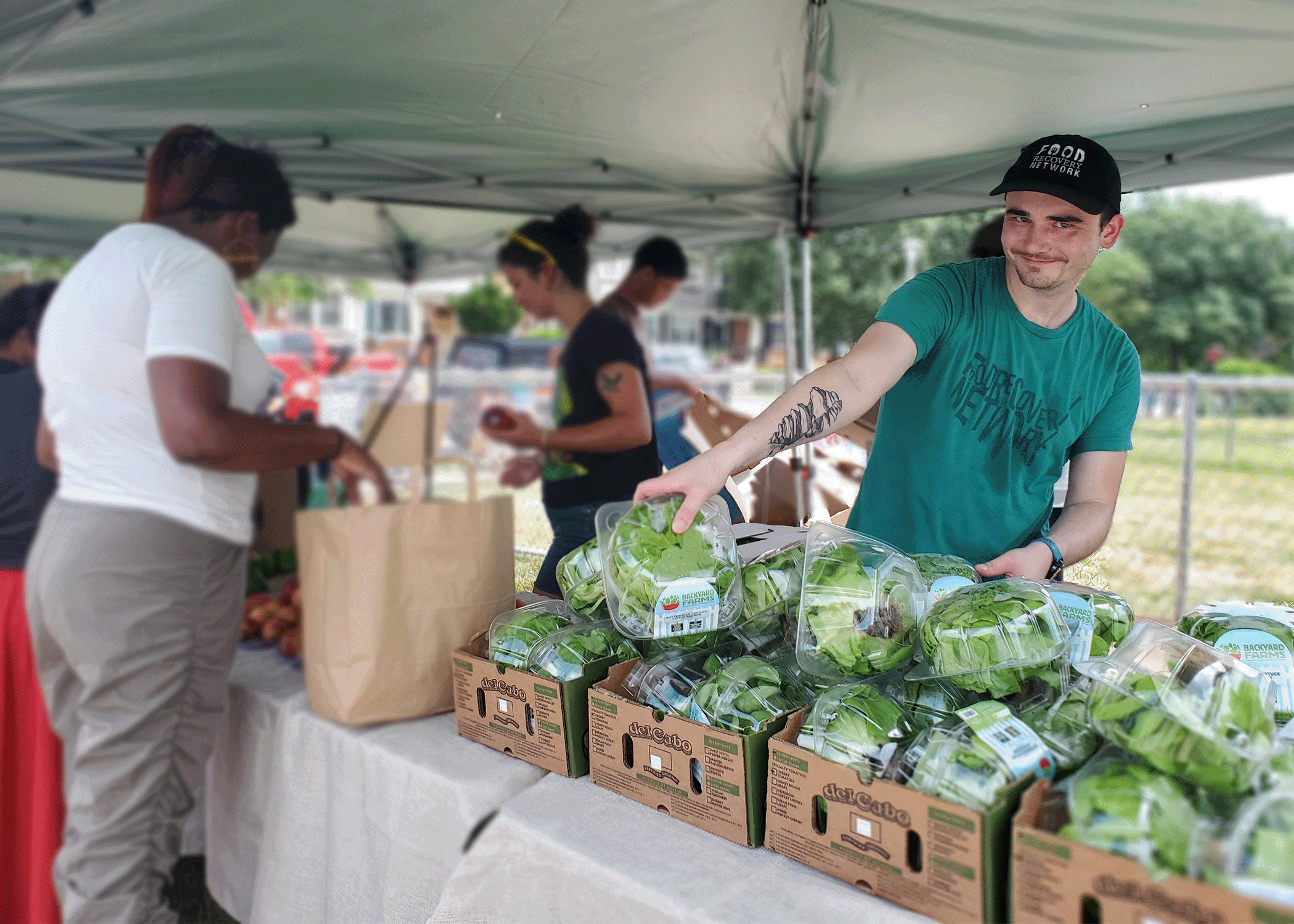
In Baltimore, community-led efforts are proving that environmental sustainability and hunger relief are deeply connected. This spring, a record 10,000 pounds of surplus produce recovered from local partners such as Hungry Harvest were delivered to Baltimore City Title I elementary schools.
This program provides free fresh produce to benefit young children and families experiencing hunger, while supporting local farmers and produce distributors by purchasing a variety of surplus produce that would have otherwise gone to waste. This model works with deeply invested community partners, infusing resources of capital, people power, experience and literally tons of surplus fresh produce into the local food system.
So far this year, Baltimore markets have served about 1,500 families and distributed 35,000 pounds of produce. The purchase of that produce has put $30,000 back into the community. This grassroots work is personal for our team; Food Recovery Network was founded right here in Maryland by University of Maryland students who refused to let dining hall surplus go to waste.
Over the past year and a half, this Baltimore City elementary school program has seen significant growth. Currently active in four schools, popularity has led more to request its implementation. Our recent initiative reached 10 area schools, all of which recognize that fresh food access is a primary concern for their students’ families. The only limitation to implementing produce market pop-ups or deliveries in Baltimore is funding.
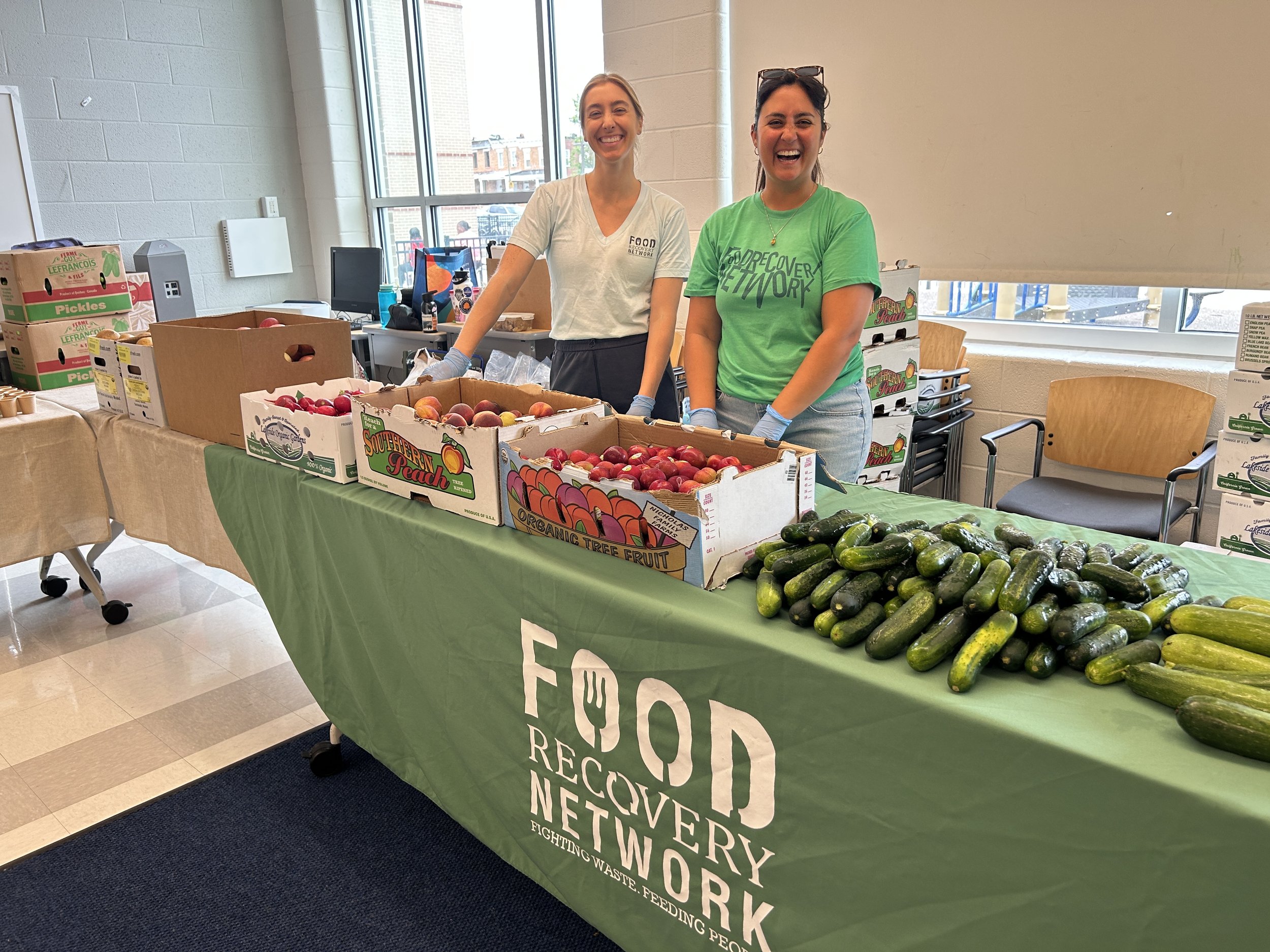
True community-centric produce markets are a lifeline, asked for and designed and then refined by the community. The goal isn’t just to move a million pounds of produce a week, but to ensure that the produce moved, and how markets are set up, comes with dignity, respect and fun. Authenticity is also a must when inviting people to take what food they need without question.
These markets also foster community: Neighbors share produce and stories tied to the meals they will prepare together. The energy is palpable as children eagerly select fresh produce, sharing stories about how their families would use onions or carrots in their meals. These markets have even taught us that little kids love broccoli.
At a recent market, one mother explained she was taking a little extra because her SNAP ran out and her WIC hadn’t come in yet. When she was finished, a volunteer asked, “Are you sure you don’t want a bit more?” She smiled and said, “No, I’m okay, thanks.” This spirit of neighbors, parents and staff looking out for each other demonstrates that the care built at these markets continues even when the produce is gone.
While food insecurity is a national challenge, it requires local, infrastructure-based solutions. Hosting markets at Title I elementary schools — existing community spaces where families already go — helps remove the burden people impacted by hunger often face when traveling to dedicated food access sites. Lack of trusted childcare, limited public transportation or rising fuel prices can increase food insecurity simply because families aren’t able to get to a food pantry. Food access should be convenient for families experiencing hunger.
Until we can pay everyone a living wage — one of many necessary actions, alongside universal healthcare and access to affordable childcare — we must continue establishing programming to feed as many people as we can.
Every day, we have the choice to protect the planet and feed our neighbors. At a time when every dollar counts at the checkout counter, we cannot afford to let billions of pounds of food go to waste.
Join the movement to reduce food waste and end hunger by becoming a partner or supporting food recovery efforts in your own community. Together, we can ensure that good food reaches those who need it most.
Regina Harmon is the CEO of Food Recovery Network, a national nonprofit founded in Maryland that works to prevent food waste and fight food insecurity.
