In the News: Lodging Magazine “Turning Waste Into Impact: How Hotels Can Build Stronger Food Recovery Programs”
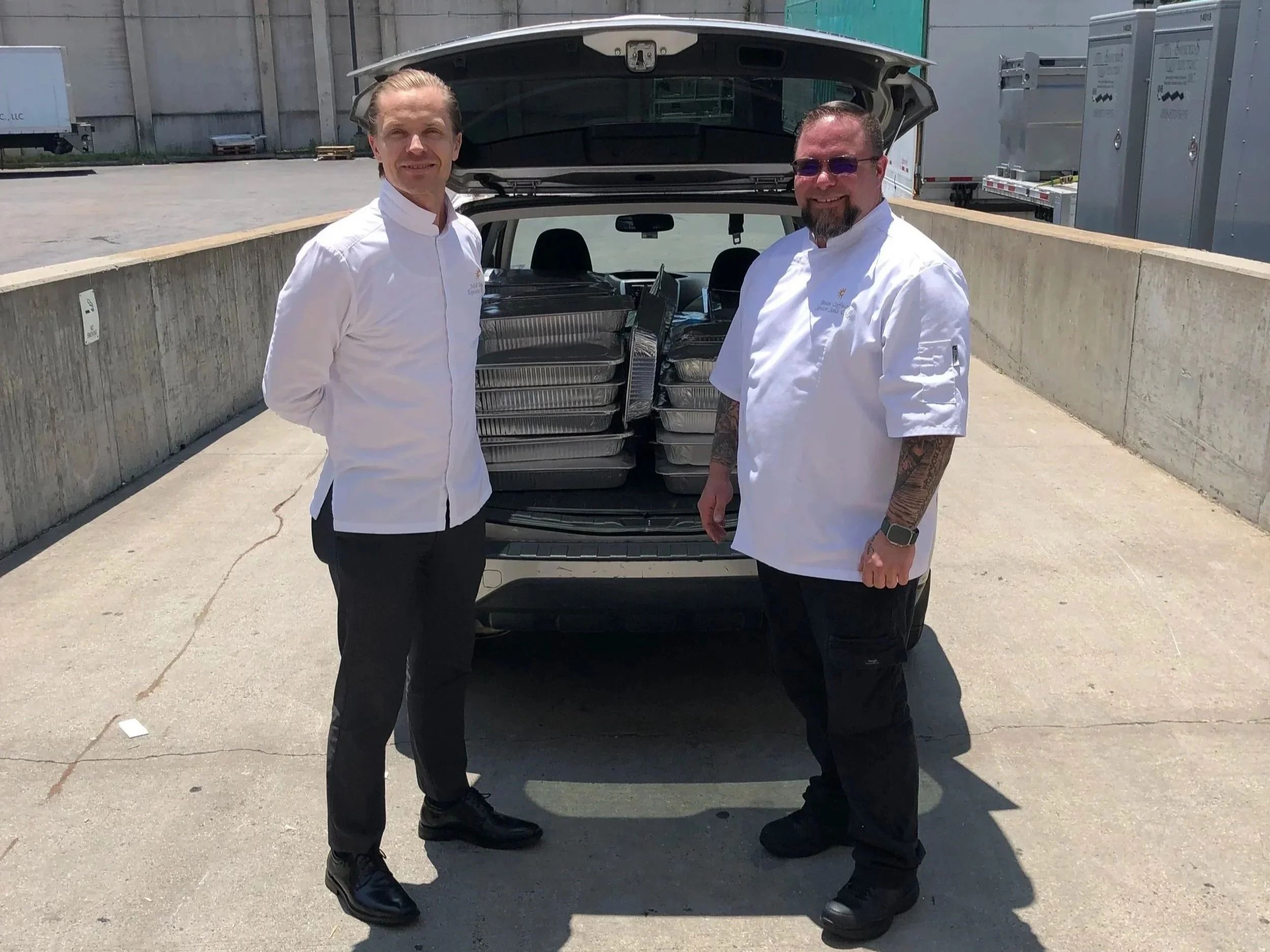
Staff from Gaylord National Resort and Convention Center
Reducing food waste is increasingly becoming a priority for hotels due to its positive impact on the environment, local communities, and operations. By limiting waste, properties can enhance the efficiency of their food and beverage operations, ultimately driving more cost savings in the process.
From the sustainability perspective, cutting back on food waste can lessen hotels’ carbon footprint while helping communities facing food insecurity by diverting and donating excess food, as outlined in the U.S. Food Waste Pact, which the AHLA joined last year. LODGING recently spoke with Food Recovery Network CEO Regina Harmon, who discussed the importance of reducing food waste and the challenges hotels face while also sharing some best practices.
Food waste remains a major challenge for hotels. What are the most common barriers that prevent hospitality businesses from implementing effective food recovery programs?
Leadership matters. Whether that is corporate leadership, corporate culture, or a key staff member who assumes a leadership role in food recovery, it takes someone saying “yes!” to food recovery and ensuring that, through any staffing changes or logistical unknowns, the commitment continues. Hotels, convention centers, and event venues will have staff turnover, but a corporate culture committed to food recovery ensures that the activation of saving and donating perfectly good food will continue because it matters to the entire company or to the department managing food. The rest can follow—refrigeration, packaging supplies, and any of the logistics.
Working as a leader in food recovery efforts over the past two decades, I’ve heard a wide variety of barriers businesses and venues face when aiming to recover food. Most concerns have simple solutions that make it vital to have a committed individual who is dedicated to coordinating the recovery and donation of perfectly good food. Some common concerns include:
Fear of being sued: The 1996 Bill Emerson Good Samaritan Law and the new 2023 Food Donation Improvement Act provide liability protections for food donors, making it safer and easier for businesses and organizations to donate surplus food.
Time: People have been trained to throw away food. At the conclusion of an event or a meal, part of the process includes throwing away excess food or, at times, even whole trays of untouched food out of habit. Recovering food and helping the community does not need to take up extra time. Nonprofits like Food Recovery Network support with the logistics to help streamline the process.
Cost: Leadership committed to sustainability is critical. While recovering food and donating it isn’t free, leadership can make the decision to have a food recovery plan in place and rely on support from partners to mitigate costs associated with transportation, gas, staff time, materials like pans, gloves, and more. While there are these costs associated with food recovery, businesses often see tax benefits for donating food and even the ability to renegotiate waste-hauling fees because less organics are thrown away. Additionally, working with partners can provide businesses with insight into details of what has been donated, which they can use to find opportunities to improve efficient ordering.
What best practices have you seen hospitality organizations adopt that successfully reduce waste while supporting local communities?
Developing longstanding relationships built on trust is essential. When you work with a partner on planning, scheduling, and building a relationship, food recovery work becomes a routine part of their operation. For example, our partnership with Gaylord Pacific and Gaylord National Resorts and Convention Center is now entering its third year, and we’ve seen the integration of food recovery processes in real time. The Gaylord National team keeps food frozen between Food Recovery Network’s biweekly pickups, which allows our team to pick up food consistently and helps our hunger-fighting partners plan to receive the food, so they have room at their locations. Time and care have been put into this relationship to make sure the operation is consistent week over week, and trust in a partnership is essential to successfully reduce food waste.
Additionally, event spaces should communicate to their team why food is being recovered so that no matter who is working the shift that day, the staff know that food is being put aside for recovery. We’ve also seen food recovery partners donate their own resources to ensure that food recovery can be consistent. Partners can also dedicate freezer space to hold food longer so it can be recovered and donated on specific days, and when a location can’t fund something like transportation, they can provide things like aluminum pans or use staff time to organize the food into these pans to help ensure the entire process is successful and efficient.
Many hotel operators are interested in sustainability but are concerned about costs and logistics. How can food recovery initiatives create value for a property’s bottom line, brand reputation, and guest experience?
Food recovery is a service with costs, just like recycling and trash pickup. As a society, we should be factoring in the cost of food recovery and composting, just as we do for other essential services. Food insecurity affects people in every zip code across the United States, whether we see it with our own eyes or not. If we keep the value of perfectly good surplus food by donating it, our communities will look very different.
There are tax incentives for food donations that were made permanent by Congress as a demonstration of the importance of food donation across administrations. Food Recovery Network counts every pound a venue or event donates and provides a report for our partners on how much was donated for tax incentives.
There is also a large amount of community goodwill. By building relationships between local donors and partners, businesses can contribute positively to the community and help hunger-fighting partners meet the growing needs of neighbors who experience food insecurity. Plus, when companies decide to do the right thing and donate their surplus food, it tells its own staff that the work they put in by preparing and cooking the food matters, and all of that love, expertise, and talent isn’t just thrown away at the end of a shift simply because it wasn’t purchased.
Food waste is the third-highest contributor of greenhouse gases. With some hotel chains like Marriott making net-zero goal commitments, diverting food from landfills will be key to achieving these goals. Composting inedible food scraps is still important, but diverting perfectly good food from ever reaching a landfill and ensuring it goes to our neighbors experiencing food insecurity is a first and important step in ending food waste and preventing excess greenhouse gases from entering the atmosphere.
What opportunities do you see for convention hotels and event venues to build food recovery planning into their operations from the start rather than treating it as an afterthought?
It’s important to build food recovery into overall event budgets and event planning right from the beginning. We partner with an event management company, Hosts Global, whose event planners introduce clients as they begin to plan large-scale events and offer a quote for costs upfront.
We have talked to countless people who say, “I always wondered what happened to all of the food at the end of the conferences I attend.” People see the abundance for themselves, and they care. By having a food recovery plan in place, companies can be proud to answer that question: “The surplus food from this event will be donated locally to help feed people experiencing food insecurity.” That goodwill produced cannot be bought; it is genuinely earned by doing the right thing.
Looking ahead, what actionable steps should hotel owners, management companies, and food-and-beverage leaders take today to make a measurable impact on food waste reduction over the next few years?
For small events, get into the habit of ordering compostable food containers so leftovers can travel home with guests at the end of the night. Slightly larger events can build in staff time and standardize procedures to package up extra food or desserts for people to take home on their way out the door.
When it comes to large-scale events (events with over 300 people), the quantity of leftover food is likely more than what guests can take home and consume as leftovers. Any unserved food can benefit others. Organizations like Food Recovery Network are equipped to take prepared foods, perishable and non-perishable foods, and bakery items, and redirect them to over 350 hunger-fighting partners across the U.S. For example, we can receive a half-full case of frozen chicken or the extra bulk fresh tomatoes that didn’t make it into the salad, or that tray of cooked Italian sausage that didn’t make it onto the buffet, and take it to an organization that provides nourishment for people experiencing food insecurity.
No one is going to host an event and plan to run out of food. But surplus edible food is a part of every event and party, no matter how small or large. Simply accepting and addressing that from the beginning is a step in the right direction.