We may have all come on different ships, but we’re in the same boat now.” - Dr. Martin Luther King Jr.
On social media, I see a scene playing out again and again: people being video recorded behaving terribly and self-righteously as they police the presence of others. People are recorded questioning why Black and brown kids are at their pool, or playground, and adult Black and brown men are questioned about why they are in the very buildings in which they live.
The need to police, the suspicion of others’ motives, is an infection that doesn’t stop with racial suspicion. Yes, racial suspicion is alive and well in the U.S., and that suspicion doesn’t neatly shut off even when surrounded by one’s own group. In my work, I see that same privilege and suspicion activated when people question the deservedness of others in their own communities regarding their access to food and food relief. I used to say, “We can all agree that people deserve food,” and over the years, I’ve stopped saying that. Sadly, I have encountered so many people who do, in fact, question whether others deserve food. It’s heartbreaking. More, it’s concerning, deeply sad, and disappointing to witness the underlying and overt suspicion we have toward our neighbors when they seek assistance, particularly when it involves something as fundamental as meals for their children. Luckily, we have the power to change and do better.
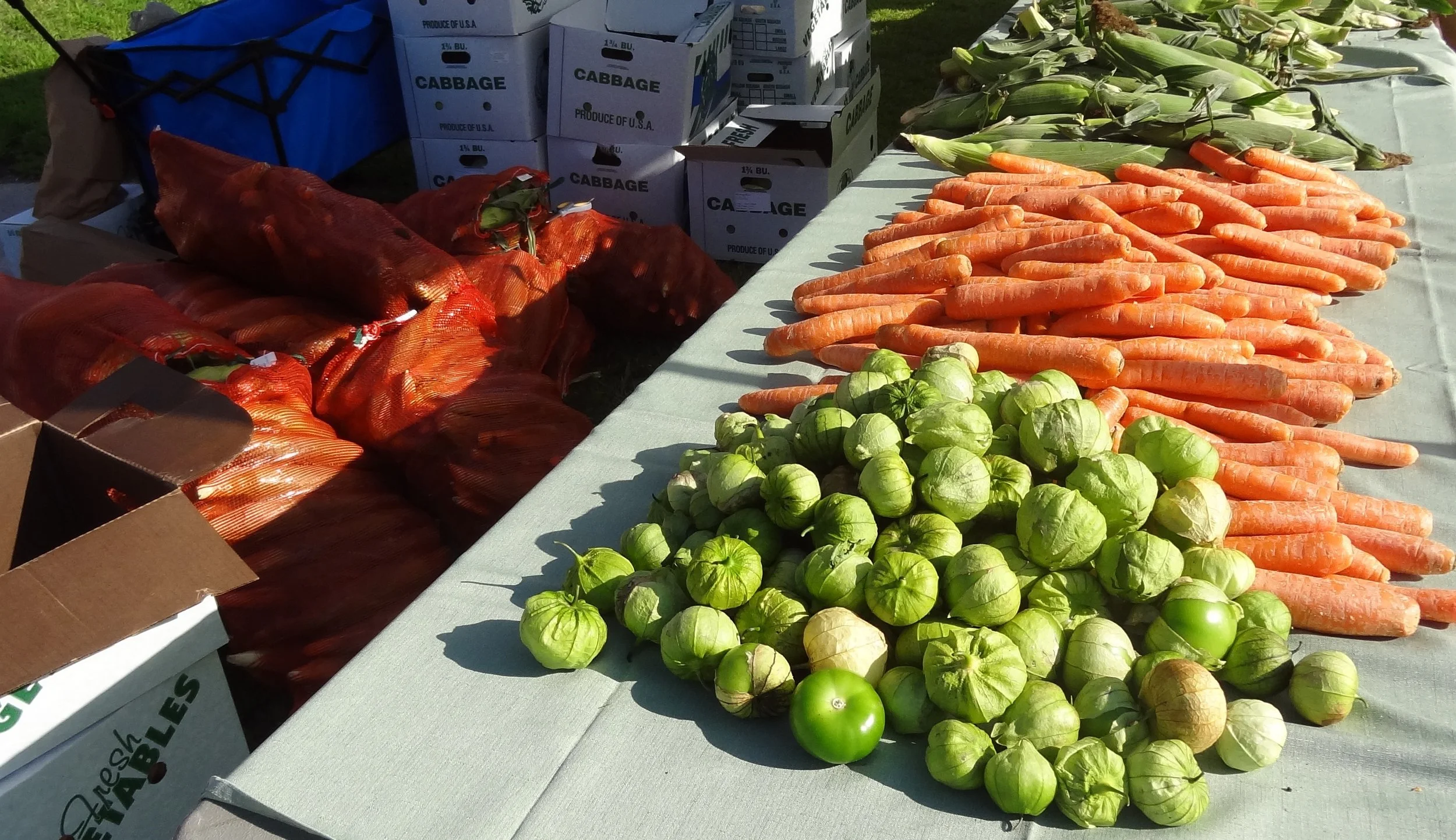
Fresh produce ready for choosing at one of Food Recovery Network’s free produce distribution pop-up markets
After generations of formal policies and campaigns, informal cultural structures that fixates on individual responsibility, blind adherence to the idea of chosen moral failures, commitment to racial hierarchy, capitalism and scarcity mindset economics as a way to obfuscate governmental structural failings to help us all thrive, it’s easy to see why many of us have suspicious mindsets towards others and what we think they do or do not deserve. We must interrogate our collective mindset and the anxieties that fuel it. Instead of worrying about who is accessing food aid, shouldn’t we focus on pressing issues like advocating for better wages for all or the devastating reality that many find themselves in financial ruin after simply falling ill? That is where our concern should lie, not in whether every single person waiting in food lines truly needs all of the groceries being handed out. It’s imperative to recognize that families across all socioeconomic strata face struggles. Even in well-resourced communities, children may go without nourishment because their guardians are sick, battling addiction, or are overwhelmed by life’s demands.
Consider this: the kids in our communities—whether they come from affluent backgrounds or not—all deserve access to free breakfast and lunch. When we remove the stigma around food assistance and access to food and simply declare, “We are collectively providing access to your meals, no matter what,” we foster a sense of belonging and support. It transforms our too often divided community into one large community sharing a meal, free from judgment and suspicion. The conversation about food access goes beyond just providing meals; it fundamentally relates to our sense of humanity and community spirit. Many of our partner agencies that receive donated food for their constituents do not request identifiers like veteran status, housing status, or family structure; they simply ask, “Do you need food?” When the answer is yes, food is provided, no strings attached. People deserve food because they exist.
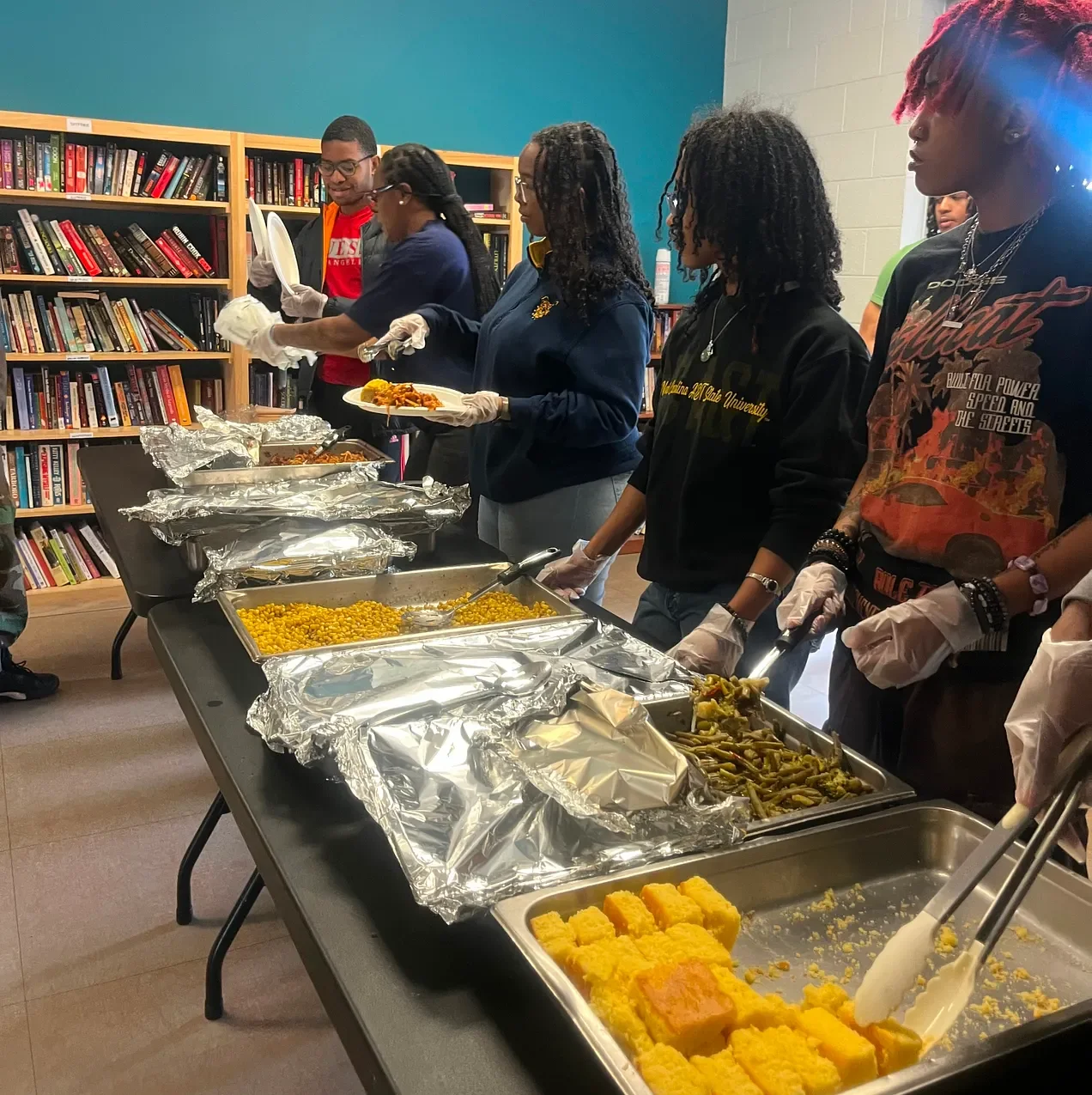
Food Recovery Network Chapter at North Carolina Agricultural and Technical State University
Suspicion-free and welcoming access to food exemplifies a collective ethos where we recognize that anyone—whether a six-figure employee in a rush who forgot their lunch or a family facing hardship—has a right to nourishment. We have enough for everyone.
We must liberate ourselves from the idea that aid should be scrutinized based on personal circumstances. Just as we accept the idea of bailing out banks, the automobile industry, and other large corporations, why should we feel guilty about providing food assistance to someone who is momentarily in need? Shouldn’t we, too, as humans, be “too big to fail,” meaning, if we think we cannot exist without the presence of some large industries in the U.S., why can’t we think the same thing about our neighbors?
An example: when it comes to student debt, the narrative shifts to individual responsibility, with the argument being that those who borrowed money made bad decisions. Considering the mountains of data connecting racism and the staggering costs of higher education, it’s past time we shift our perspective. What about healthcare in the U.S.? How we came to connect our access to health insurance to our employer is also steeped in racism. The report, “Structural Racism in Historical and Modern U.S. Health Care Policy,” reminds us that since the Jim Crow era (1875–1968), racism has implicitly and explicitly been an integral part of the US government’s structuring and financing of the health care system. We have allowed our commitment to racism to bring tens of millions of individuals into medical debt, and we just shrug our shoulders, “Oh well, that sucks for them.” But there is no “them,” it’s just “us.”
At some point, everyone needs a helping hand—whether that’s food, financial support, educational resources, or an introduction to get a better paying job. It’s simply part of being alive and being human. Ultimately, fostering a robust community means we prioritize compassion over scrutiny. We need to expand and grow our currently anemic collective understanding of the importance of providing for one another without judgment. Let’s create an environment where sharing meals—regardless of one’s financial status—becomes a regular and accepted occurrence. Together, we can make food access not just a service, but a beautiful communal offering that upholds our values of unity and care.
Let’s embrace the idea of a collective feast, acknowledging that no one should ever go hungry.
We can build a community that stands together, supports one another, and lifts each other up during good times and hard times. After all, as Dr. King said, “We may have all come on different ships, but we’re in the same boat now.”