Your Food Recovery Network Senior Thesis, Paper, Presentation
As involved students on campus, you may want to highlight the efforts of Food Recovery Network. We are the largest student-led organization recovering surplus food to end hunger while making a positive impact on our planet.
Just as if you interviewed our Programs Associate, Fran Alvarado, we want you to have all of the information you need to create a stellar report or presentation. We hope this offers you the resources and answers you need to complete your project.
Introduction to Fran:
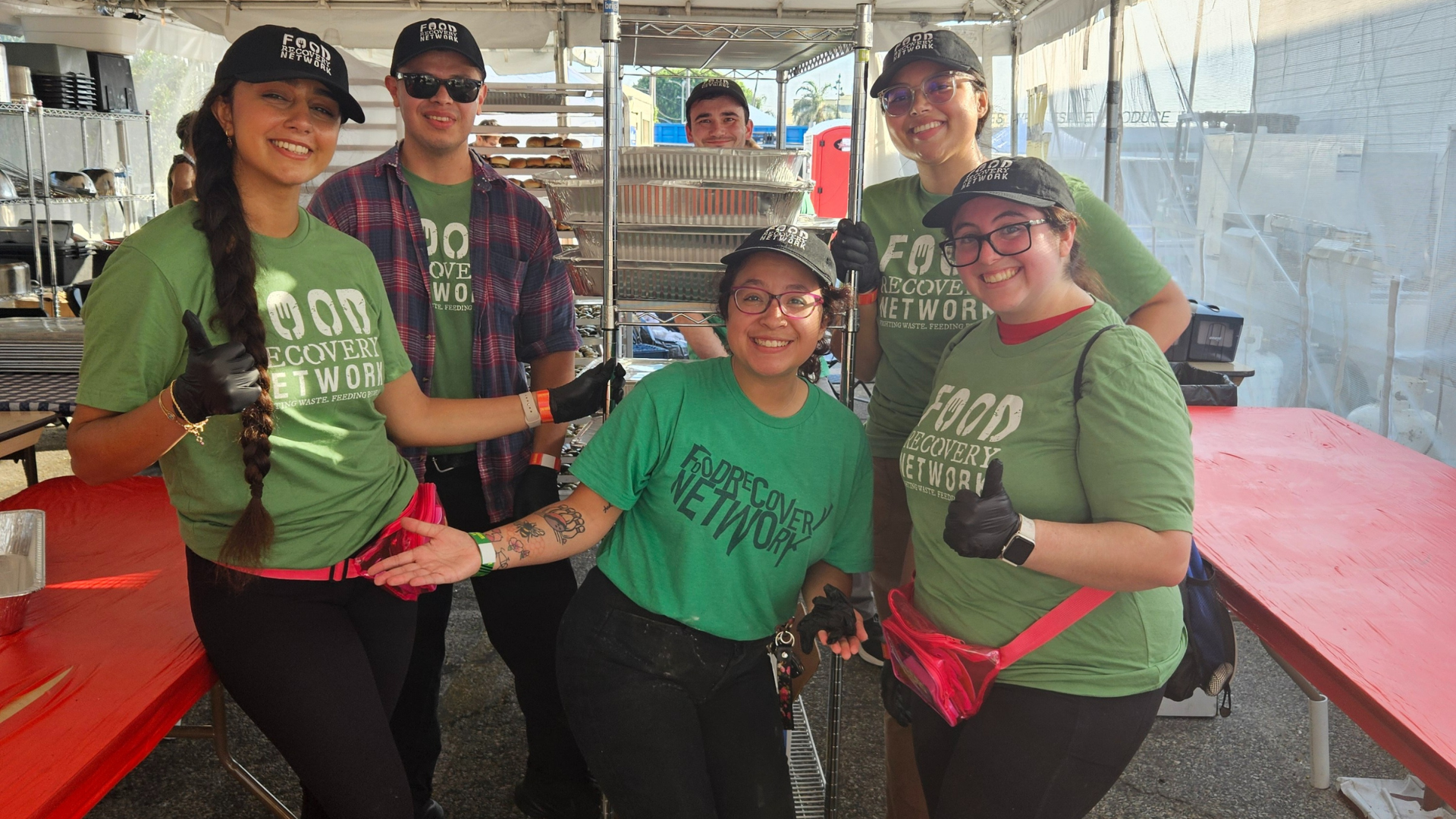
Fran Alvarado, Programs Associate, front and center.
My name is Fran Alvarado, and I am the Program Associate for Food Recovery Network (FRN). The work I help support is: starting a chapter, supporting chapters with chapter activations (food recovery, volunteering, and advocacy), and I do outreach to new campuses to start chapters. Food Recovery Network's overall work is to support fighting food waste and feeding people, and we do this through different programming. Chapters are our foundation since this is how we started in 2011. We have grown since then. Our programs include: Food Recovery Verified, Produce Markets, and recently, we have opened our network to support the efforts of Community Colleges. I like to think of FRN as a larger umbrella, and all our programs are how we work within the umbrella. Our team is made up of 11 incredible, passionate people across the US. We have different departments within FRN (development, programs, communications, and operations). Here is our impact and how each of the programs supports FRN's mission. This past winter, we hit 20 million meals recovered since we started.
A few questions and answers from a program's perspective in supporting chapters' work:
1. What are some of your current challenges?
There are 200+ chapters currently, and each runs differently. The challenges truly vary from campus to campus, with the biggest barrier being administration hiccups to starting a chapter on campus. Whenever a challenge arises for chapters, FRN is here to support. We have created food donor resources to help with explaining liability, volunteer resources to help with recruitment, and recently, an FRN goals workbook to help chapters start. We are here to help break down the barriers to starting a chapter and continue to support efforts as the chapters remain active in our network.
2. What are some of your current successes?
There's always a win to be celebrated! Since every chapter is at a different stages sucesses. I am going to link some of our chapters' Instagrams here and explain their wins:
Utah State University operates its FRN chapter out of the pantry, has a large volunteer base, and recovers 10,000+ a semester
Hamilton College: Started this past year and also operates out of a food pantry. They are recovering 10,000+ a semester as well
North Carolina A&T: Joined a year ago and started with one dining hall, recovering 3,000 in their first semester. This semester, they are recovering double and have built relationships with dining services to expand efforts.
Montclair State University: They recover food on campus and keep it on campus. They utilize compostable containers for single-serve meals from recovered surplus food
University of California, Irvine: They have pivoted from recovering from dining halls to recovering from the farmers' market! We are currently working to help support the chapter in recovering on campus (and this is an example of a challenge, dining not allowing food recovery to happen on campus)
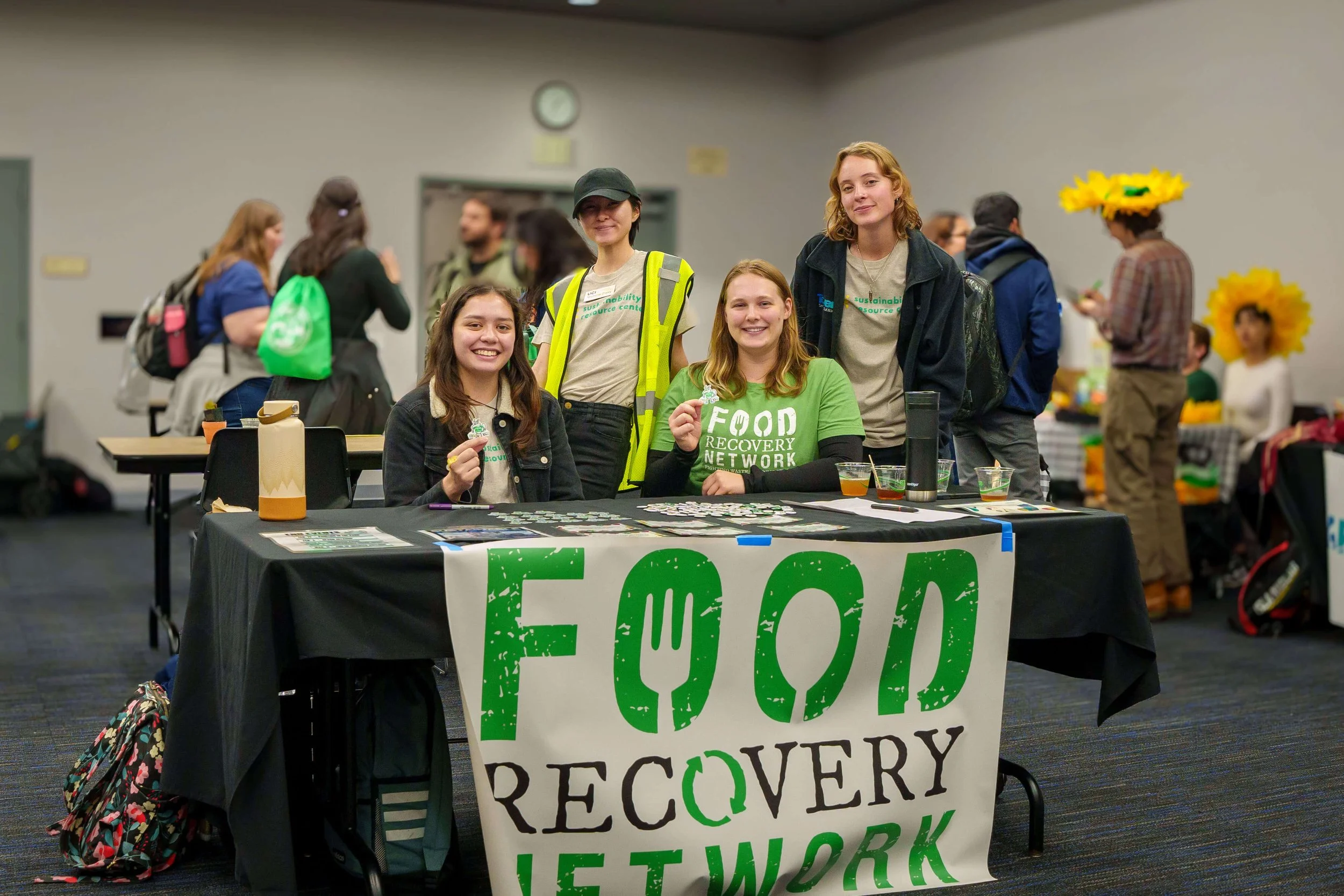
University of California, Irvine
3. How can students and community members support your mission?
If you are a student, you can support FRN's mission by starting a chapter on campus if you don't already have one or by volunteering with your current FRN chapter. If you are a community member, you can help FRN's mission by spreading the word of our work, donating, and following us on our social channels.
4. What resources or support would make the most immediate impact?
Starting a chapter today! If not, donations to help support our work!
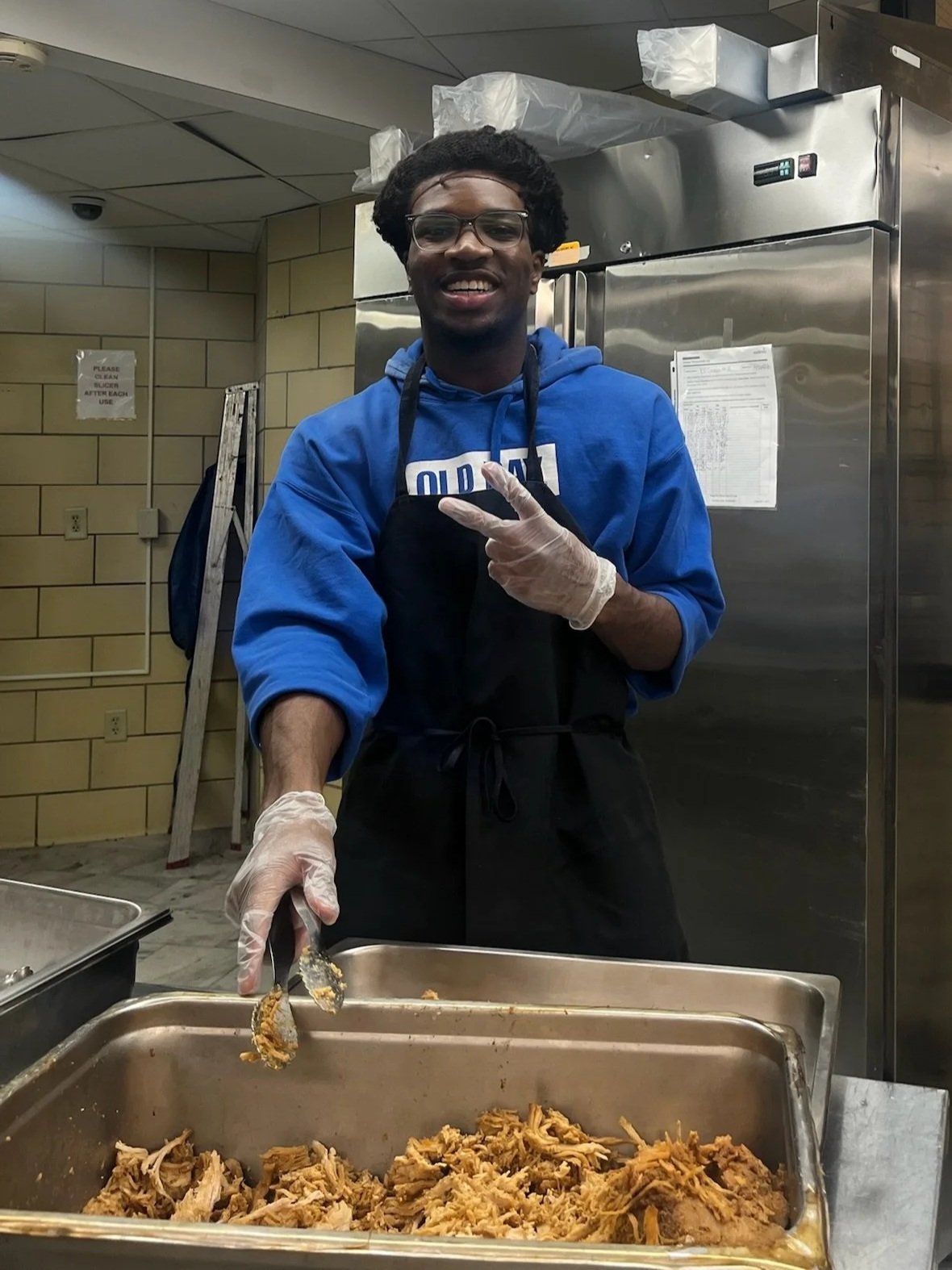
North Carolina State University A& T
5. What is the first thing you want people to know about your organization?
To quote our CEO, Regina Harmon, "When we keep food from going to landfills and eat the food we produce, that is a loving act. Think about the community that is cultivated and grows from enjoying heart-filled, lovingly prepared meals together. When we expend that energy and talent to hold a space for family and friends, we should honor that space and the thousands in our community who are struggling to find their next meal. Keeping food out of our landfills helps our environment. Keeping perfectly edible food out of landfills and instead sharing it with love and kindness with our neighbors experiencing hunger is power-building."
FRN's mission: Food Recovery Network (FRN) unites 8,000+ college students, food suppliers, farmers, and local businesses across the U.S. in the fight against climate change and hunger by recovering surplus food from across the supply chain and donating it to local nonprofit organizations that feed people experiencing hunger.
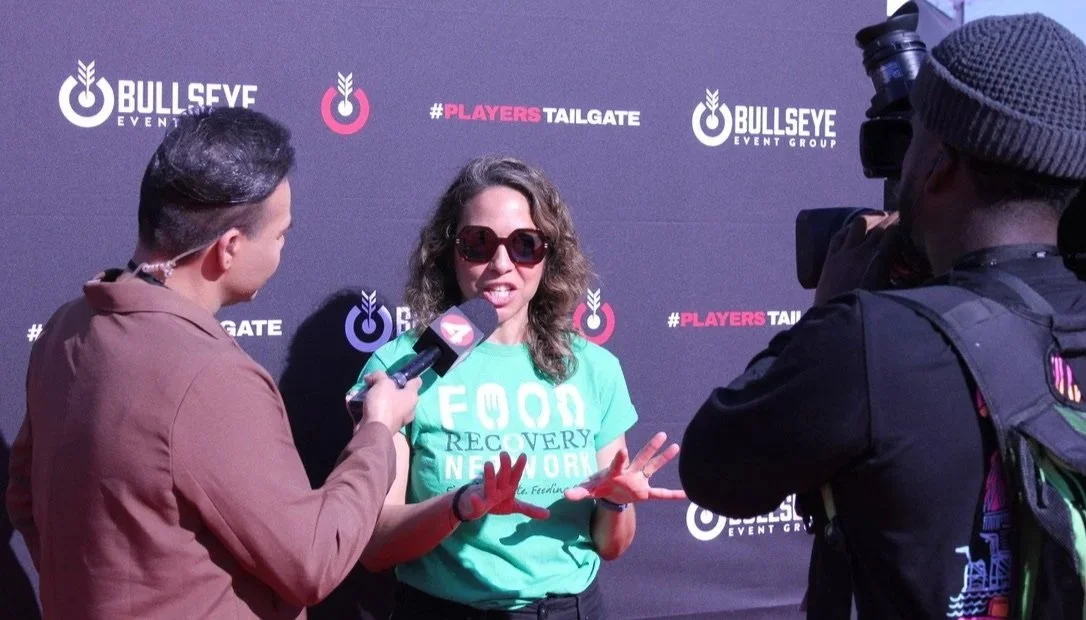
Regina Harmon, Food Recovery Network CEO
Hopefully, this helps to get you started. We are grateful you are taking the time to educate others about food waste and the impact Food Recovery Network is making across the US.
And let us know- is there more information you need to get your project from start to finish? Leave a comment, and we’ll adjust this resource.
