Recently published news and opinions from Food Recovery Network
Food Recovery Network, Inc. Media Release
Food Recovery Network, Inc. (FRN), a leading non-profit organization dedicated to combating hunger and food waste, has filed a lawsuit against FoodRecovery.org (formerly known as MEANS Database) in the United States District Court for the District of Columbia for trademark infringement. We have taken this action after careful consideration and as a last resort to address confusion caused by another organization dedicated to fighting hunger deciding to rebrand and adopt a nearly identical name to FRN, which has impacted FRN’s operations and threatened to derail FRN’s mission.
For over a decade, FRN has served communities across the United States in the fight against hunger and waste. Those same communities have grown to know and trust the FRN brand, the values FRN represents, and the good FRN can do.
FRN recognizes and welcomes others’ participation in the fight against hunger. The more who engage with this mission, the better. Solving hunger takes a proverbial village, and more.
Unfortunately, FoodRecovery.org recently decided to adopt a nearly identical name and branding effort to FRN, and this has resulted in confusion between FRN and FoodRecovery.org. In ongoing outreach as well as its lawsuit, FRN has requested that FoodRecovery.org adopt a new name so that the organizations can focus on the monumental task of fighting hunger, but FoodRecovery.org has retained its current, confusing branding. By filing this lawsuit, FRN aims to protect its partners, volunteers, donors, and other stakeholders from potential confusion and to ensure the integrity of FRN’s brand.
While FRN intends to litigate this matter, fighting hunger and eliminating waste remains FRN’s top priority. FRN’s primary focus is unchanged: recover surplus food and provide it to people in need. We are dedicated to minimizing the impact of this legal matter on our operations and will continue to work tirelessly to support communities across the nation.
We appreciate the ongoing support of our partners, volunteers, donors, and the public as we navigate this challenging situation. We remain hopeful for a resolution that will enhance FRN’s and FoodRecovery.org’s abilities to fight hunger.
About Food Recovery Network, Inc.
Food Recovery Network, Inc. (FRN) is the largest student-led movement recovering surplus food and ending hunger in the U.S. We unite 8,000+ college students, food suppliers, farmers, and local businesses across the U.S. in the fight against climate change and hunger by recovering surplus food from across the supply chain and donating it to local nonprofit organizations that feed people experiencing hunger.
Food Recovery Network and Gaylord National approach 100,000 POUNDS of food for DC area families
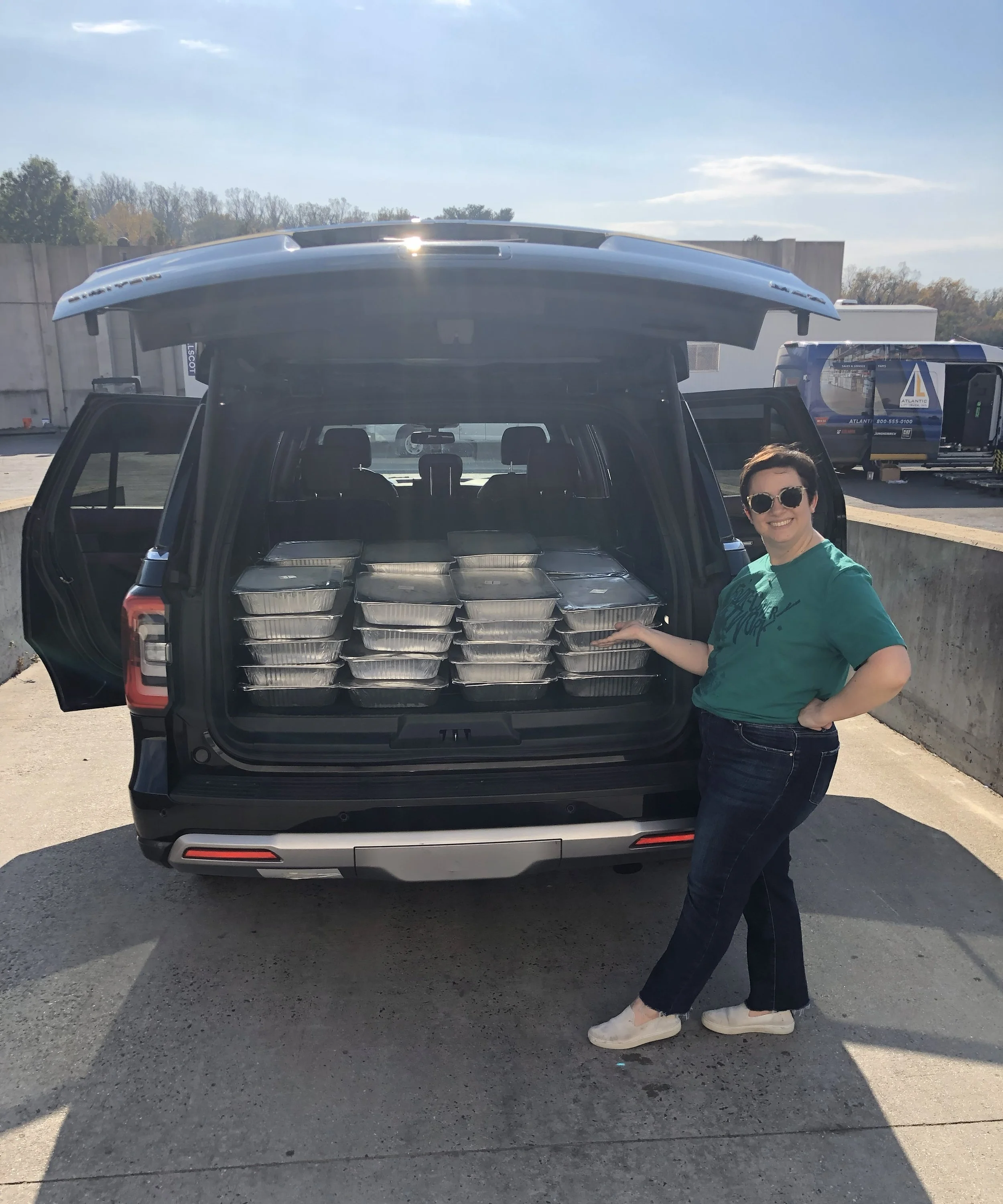
Food Recovery Network (FRN) is thrilled to announce an exciting milestone as we approach the recovery of 100,000 pounds of surplus food in partnership with Gaylord National Resort and Convention Center. In just over 2 years, our collaboration has grown to support ten hunger-fighting partners in the greater D.C. area, providing nearly 85,000 meals.
WASHINGTON, Dec. 11, 2025 -- Food Recovery Network (FRN) is thrilled to announce an exciting milestone as we approach the recovery of 100,000 pounds of surplus food in partnership with Gaylord National Resort and Convention Center. In just over 2 years, our collaboration has grown to support ten hunger-fighting partners in the greater D.C. area, providing nearly 85,000 meals.
"Our partnership with Gaylord National has proven to be transformative for our community. Each pound of food recovered not only alleviates hunger but also demonstrates the power of collective action," said Regina Harmon, Executive Director of FRN. "As we near the 100,000-pound mark, we invite everyone to engage with us, celebrate with us, in this mission to combat food waste, connect people in our community who need it with high-quality food, and make a positive impact on our climate."
FRN and Gaylord National began their official partnership in June 2023. Since then, FRN's team has picked up surplus food from Gaylord National every other week. On average, over two weeks, Gaylord's culinary team saves about 1,200 pounds of perfectly good food, simply prepared in excess, from all of the meetings and events held in their conference and resort center.
"With rising food costs and growing need, the support from Food Recovery Network couldn't be more impactful. The hundreds of trays of prepared, high-quality meals they provide each week through Gaylord allow us to serve nearly all of our breakfasts and many of our lunches for neighbors experiencing homelessness. Their dedication to reducing waste and nourishing our community strengthens our work every day, and we're deeply grateful for their partnership." - Chef Richard Snyder, Central Union Mission Kitchen Manager
Gaylor National is committed to the longevity of the partnership and its sustainability efforts. Says, Hotel Manager, Ryan Verhulst, "Food recovery is essential to reaching our sustainability goals. As part of the Marriott family, we have an emphasis on nurturing our world and reducing our environmental footprint. This includes decreasing our food waste and increasing our contribution to our community. Partnerships like the one we have with the Food Recovery Network help us reach our goals while also giving back to local families in need."
Join us in celebrating our achievements and be part of our journey to achieving that monumental 100,000-pound mark! For more information on how to engage with Food Recovery Network, visit foodrecoverynetwork.org.
Together, we can create lasting change for our community and our planet.
Would you like to join us for a food recovery, to be onsite for the ONE HUNDRED THOUSANDTH POUND, or interview Regina Harmon, Chief Executive Officer? Please contact Sarah Corbin, Director of Communications: sarah.corbin@foodrecoverynetwork.org, 708-714-1357.
Food Recovery Network (FRN) is the largest student-led movement recovering surplus food and ending hunger in the U.S. We unite 8,000+ college students, food suppliers, farmers, and local businesses across the U.S. in the fight against climate change and hunger by recovering surplus food from across the supply chain and donating it to local nonprofit organizations that feed people experiencing hunger.
How to Start Your Chapter In 3 Steps
FRN helps students join the movement to fight waste and feed people by starting an FRN chapter to recover and distribute surplus food on their campus and in their wider community. There are only 3 steps to starting a chapter –
Katie Aguila, Director of Programs
As a part of FRN’s team for more than 7 years, I’ve met so many incredible college students who are passionate, creative, and searching for ways to make a meaningful difference on their campus. They come to FRN after learning about food waste and hunger and how they impact our communities, and they’re ready to be a part of the solution. The only question left is…how?
FRN helps students join the movement to fight waste and feed people by starting an FRN chapter to recover and distribute surplus food on their campus and in their wider community.
Keene State College Chapter
There are only 3 steps to starting a chapter –
Build a team of 3 student leaders
Find a faculty or staff advisor to support
Choose a chapter path - food recovery, advocacy and education, or volunteer service
Then you’re ready to turn in your new chapter application and officially join FRN!
While we’ve made it simple to start a chapter, we know getting started on actually building a food recovery program with your chapter can feel daunting, even when you’re bursting with energy to do it. The problems of food waste and hunger are so huge and overwhelming, and they can leave any of us feeling like there’s no way that one person can begin to tackle this.
After attending student-led conferences, tabling at colleges and universities to help students learn how they can join FRN, and hundreds of calls with students guiding them through how to start a food recovery program, we realized that we needed a different resource to help students get started – something to demystify the process of starting a chapter and break it down into tangible steps.
Enter our new how to build a chapter workbook. It takes some of the top questions and roadblocks that we get from students and helps you walk through each of them so you can start recovering food and feeding people in your community. In the workbook, you’ll look into opportunities to recover food on and off campus, identify potential partners to donate recovered food to, identify where you can find volunteers and a chapter advisor, and set yourself up to become an official FRN chapter and start recovering food.
Remember, you don’t need to have answers to all of these questions before turning in your new chapter application. We’re here to help figure out these together! But if you’re feeling stuck on how to bring food recovery to your campus, this workbook is for you.
Here’s a sneak peak of some of the biggest questions students bring to us when they’re getting started, and how our new workbook can help you answer them:
It’s just me – how do I find more people to build a chapter with?
We’ll help you brainstorm different events or spaces you can join and host to find your leadership team, chapter advisor, and volunteers – things like other campus clubs, student org fairs, and sustainability or student engagement programs.
I’m not sure what my campus or community needs when it comes to food recovery. What should I do?
First, we’ll help you think about food recovery in a larger context so you can build a program that makes sense for you and your community. You’ll take a look at what barriers there are to food access in your area, how your campus supports students facing food insecurity, and other factors that will help you figure out what kind of food recovery activities to do.
Where do I find food to recover?
First, we’ll have you take a look at what’s already going on on your campus. Do you have dining halls, cafes, franchised dining spots? Then look at what kind of food places are off campus but nearby – like grocery stores, cafes, and farmers markets. What’s the food like at these different places? Your chapter can recover prepackaged snacks, prepared meals, fruits and veggies, and more.
Where should I bring recovered food?
Start by looking into what hunger-fighting work is already being done on your campus and in the wider community. Does your school already operate a food pantry or free fridge? What other groups run food distribution programs that you can tap into?
From there, you can look at the logistics of recovering food to help you determine which partner is right for you. You’ll walk through volunteer needs, transportation options, and supplies needed.
I hope this helps inspire you to take the next step to building your FRN chapter, and there’s so much more packed into the workbook to help you get started. Questions, or want to chat more?
Email us anytime at programs@foodrecoverynetwork.org.
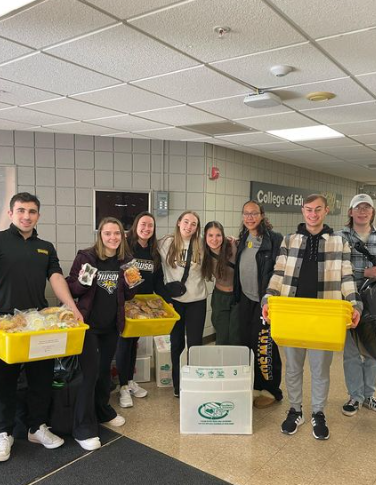
The Central Lakes College Chapter provides food for their on-campus food shelf.
SNAP to it for SNAP - now
Use your voice now to advocate for SNAP benefits.
You can drive political will. People need your voice to advocate for SNAP benefits right now.
Our hunger-fighting partners have compiled resources to help you advocate by contacting your legislator or using your social media platform. We will continue to add resources to this page as they become available.
Get vocal on social with FRAC’s digital toolkit.
Food Recovery Network's Commitment to Racial Equity
Food Recovery Network (FRN) recognizes food security, economic security, and climate justice are inextricably tied to racial equity, and achieving any is dependent on addressing the root causes of the inequities. As such, FRN brings an equity lens into all aspects of its organization.
Racial Equity STATEMENT
Food Recovery Network (FRN) recognizes food security, economic security, and climate justice are inextricably tied to racial equity, and achieving any is dependent on addressing the root causes of the inequities. As such, FRN brings an equity lens into all aspects of its organization.
To guide FRN’s external programming, FRN implements a data-driven strategic framework, FRN10X, which examines various aspects of disparities in food access and helps us prioritize geographic areas where we will direct our work.
Specifically, FRN overlays disaggregated data (race/ethnicity data food insecurity and poverty rates, income and living wage gaps, SNAP participation, amount of surplus food, and higher education locations) to target our impact in specific geographic areas where FRN’s programs can help address food system disparities that disproportionately impact health and economic outcomes for Black, Latinx, and Indigenous communities across the U.S. To learn more about our data-driven mapping methodology, visit our blog post.
FRN mobilizes college students and community partners to design and implement programs that best meet the individualized needs and capacities of their own community to close food waste and food access disparities in the area. By using data and meaningfully working with the community to implement a variety of food access programs, FRN contributes to closing racial disparities in the local food system by adding human and financial resources to the community, increasing food access, and bolstering climate mitigation efforts in areas that are underserved and under-resourced.
FRN also implements strong feedback loops internally and externally to combine data analysis with community input and center the most pressing issues identified by the community. Externally, FRN achieves this through conducting regular student and partner surveys, holding 1-on-1 and larger cohort conversations, and hosting network-wide feedback sessions to ensure their programs best meet the needs of FRN’s students and the individuals experiencing hunger that FRN seeks to serve. Internally, FRN has routine check ins individually and as a whole staff, as well as quarterly performance check ins.
Internally, we also bring an equity lens into our organization. FRN is led by a woman of color, Regina Harmon, who brings both her lived experience as well as her academic background of racial and gender equity studies into FRN in the form of intentional conversation, establishing feedback loops, continual education, programmatic strategy, and organizational culture.
As part of FRN’s commitment to equity, all FRN staff are paid a living wage. Washington D.C. area full-time staff have access to a 100% employer-paid healthcare plan, and all nationwide staff have access to a 403b retirement benefit plan, at least 15 days of Paid Time Off, 8 hours of Volunteer Time Off, and we offer various cultural and historical holidays to recognize a variety of cultural backgrounds. When available, FRN sends staff to DEI training and shares DEI learning opportunities to further their education. Finally, FRN believes and complies with a non-discrimination policy, certifying that each individual has the right to work in a professional atmosphere that promotes equal employment opportunities and is free from discriminatory practices.
These investments in the livelihoods of FRN’s staff, as well as the organization’s inclusive and supportive organizational culture, have led to 100% staff retention over the past two years.
FRN believes a deep commitment to equity, both externally and internally, is critical to achieving our goal to end hunger, forever