Recently published news and opinions from Food Recovery Network

Food Recovery Network Food Recovery Network

NOW OPEN: Community College Food Recovery Grant Application

  •  Food Recovery Network (FRN) is excited to announce the opening of applications for the third year of its Community College Food Recovery Grant Program. This initiative aims to establish and strengthen food recovery programs at community colleges across the United States, helping to combat food waste while supporting people experiencing hunger within local communities.
COMMUNITY COLLEGE FOOD RECOVERY GRANT APPLICATION

Join our network of over 8,000+ college students, food suppliers, farmers, and local businesses across the U.S. in the fight against climate change and hunger by recovering surplus food.


To help expand FRN’s presence in community colleges nationwide, FRN is entering the third year of our community college grant program to help establish food recovery programs at community colleges across the U.S. Community Colleges will be selected to receive one year of technical and financial assistance to set up food recovery programs on their campus to begin Summer/ Fall of 2026. The grant recipients will also be awarded recognition and serve as models for how community colleges can play a vital role in helping feed community members in need.


Community College Food Recovery Cohort Details

In order to receive funding, each community college will need one person who will be responsible for implementing this program and liaising directly with FRN.

For this grant, FRN national staff will:

  • Coordinate the purchase or donation of all relevant materials, including packaging, transportation, and all other logistics 

  • Administer all aspects of work, including providing supplies, marketing, and staff and volunteers 

  • Serve as liaison between food donation partners to ensure fair negotiation of cost and labor is accounted for in work

  • Serve as liaison between community partners

  • Share public learnings and data with project partners and our network of stakeholders 

  • Recognize and promote partners and work on social media and to our network of stakeholders

  • Train relevant local food business professionals and school cafeteria staff on how to safely conduct food recoveries over the long term (as needed)

  • Make direct connections with FRN alumni and students at local colleges and universities to support project efforts (as needed)

This point of contact will: 

  • Provide daily management of all project logistics, including onboarding of partners 

  • Promote the program to the school community via flyers, emails, or whichever other communication channels are most appropriate 

  • Support in coordinating food recovery program logistics, including securing the most appropriate physical space (as needed) 

  • Help determine the pace, frequency, etc. of recovery efforts

  • Gather feedback on program from students and families to ensure we’re meeting the needs of the community 

  • Provide relevant school data, such as number of students, to help better guide our work

  • Help facilitate connections with local partners to help onboard pilots and achieve our desired outcomes

Read More
Food Recovery Network Food Recovery Network

Food Recovery Network's Chapter Showcase

Our work wouldn’t be possible without our incredible student leaders. Keep reading to learn more about a few awesome FRN chapters!


SPRINGFIELD COLLEGE

We are kicking off our Chapter Showcase with Springfield College! Since their inception in 2021, this chapter has recovered more than 5,865 lbs of surplus food from campus dining facilities. Springfield works with its on-campus food pantry, the Mary Ann Coughlin Pride Pantry, to ensure meals get into the hands of students. Each week, Rachel’s Table, the chapter's community partner organization, collects the remaining recovered food to distribute locally and to the Salvation Army.

"As a relatively newly established chapter of FRN, our primary focus has been recovering any surplus food from our dining hall to redistribute to our on campus food pantry and into the local community via our partnership with Rachel's Table," shares chapter leader Rianna Bottger. "Typically, five of us meet each week to recover the food. As we grow, we hope to be able to host more educational events for the general campus community regarding food waste and food recoveries."


UNIVERSITY OF PITTSBURGH

The University of Pittburgh's FRN chapter has diverted almost 70,000 pounds of surplus food from landfills to people since 2014. Alongside recovering surplus food, this chapter engages with their community through events like bake sales, picnics, community partner nights, and more.

"Our chapter of Food Recovery Network at the University of Pittsburgh, Food Recovery Heroes, recovers food for many reasons," shares a student leader. "We all share a passion for fighting food waste and helping those less fortunate in our community. As college students we are constantly surrounded by food especially in our dining halls. So much of the food that gets mass produced never ends up being eaten. Our chapter is proud we are able to save that food from going to the landfill and help people in our community.”


UNIVERSITY OF VIRGINIA

Starting their food recovery journey in 2018, the University of Virginia's FRN chapter has recovered over 41,000 pounds of surplus food. The chapter works with hunger-fighting partner organizations like the Salvation Army, Food Sharing is Caring, and the Community Food Pantry to get surplus food to people instead of landfills.

"We recently switched our model this year, pivoting from primarily restaurant donors to collecting food from on campus dining locations," shares chapter leader Ibraheem Qureshi in the spring. "Despite this shift, we have still recovered over 1.5 tons of food this semester."

FRN at the University of Virginia also engages their campus community through unique events like potlucks, bonfires, bake sales, and more.


ohio state university

Since their inception in 2016, Ohio State University's FRN chapter has diverted nearly 40,000 pounds of surplus food from landfills to people. The chapter works with hunger-fighting partner organizations like the Starhouse, Gethsemane Food Pantry, NNEMAP, Open Shelter, Mid-Ohio Food Collective to get surplus food into the hands of people, not landfills

"Columbus has so many amazing organizations that help feed those who are struggling, so to help them get food to those who need it is truly rewarding," shares chapter leader Catherine Kogan. "I recover food, to help minimize our environmental footprint and help those who are struggling with food insecurity. Columbus is such a special city and to help give back to the community that has given me so much, while also flighting our environmental footprint is truly why I do it."

When they're not recovering food, the chapter hosts a plethora of engaging events for their chapter and community. This fall, alongside weekly meetings, the chapter hosted a vinyl painting social for members!


NC STATE UNIVERSITY

NC State University re-joined FRN's network in 2025 and we are so excited to have them back! From their pre-pandemic recoveries to now, this chapter has recovered almost 25,000 pounds of surplus food.

"Our organization has been involved with numerous partnerships over the years due to the many layers of food waste and hunger issues, so we have been able to learn about and educate others on the health, social, economic, environmental, and many other aspects associated," shares chapter leader Morgan Murdock. "We have continuously represented the organization well, which has helped us build strong foundations with our campus and community partners. I would say strong communication has been our best skill because it saves everyone time and resources when we all have a clear understanding. For volunteer recruitment, we were able to partner with some living/learning villages on campus to come volunteer with us because the opportunities are so close to where they reside, and the service relates to many different interests among students."


Washington University in St. Louis

Washington University in St. Louis works with its on-campus food pantry to get surplus food into the hands of students. When they aren't recovering food, the chapter engages their volunteers and community through unique events. This year, in collaboration with WashU Living Well Center and the WashU Community Experiential Learning Center, the chapter hosted a cooking demonstration to show students how to make easy and healthy recipes that are budget-friendly.


University of Wisconsin at Madison

The University of Wisconsin at Madison's FRN chapter has recovered 46,405 pounds of surplus food since joining the network in 2016. This chapter recovers food from a number of local spots and donates it to The Crossing Campus Ministry.

When they aren't busy recovering food, this chapter engages its campus community by serving free meals to students on Tuesdays and Fridays.


Utah State University

Utah State University joined FRN's network in 2015, recovering 220,410 pounds of surplus food since then. This chapter recovers food both on and off-campus, donating to the Students Nutrition Access Center (SNAC) @ USU and the Cache Community Food Pantry. Utah State also hosts gleaning sessions, collecting surplus produce to be distributed to their partner agencies.

"Utah State University (USU) Student Nutrition Access Center (SNAC) started and hosted a mobile food pantry. With support from our community food pantry and the Utah Food Bank, we began a once-a-month event, which will be an additional resource for individuals, shares chapter leader Jonathon Walters. "This mobile food pantry is available to anyone who is a Utah resident and is the first mobile pantry in our county."


North Carolina A&T State University

Since it's inception in 2018, North Carolina A&T State University's FRN chapter has diverted almost 4,000 pouunds of surplus food from landfills to people. This chapter recovers and repackages extra meals from Williams Dining Hall after lunch and delivers it to the Interactive Resource Center (IRC), supporting individuals in Greensboro who are experiencing or at risk of experiencing homelessness.


California Polytechnic State University, San Luis Obispo

California Polytechnic State University, San Luis Obispo joined FRN's network in 2022, recovering almost 200 pounds of surplus food since then. The chapter receives food donations through donor agencies like Cal Poly Crop Fields, First Fruit Farms, and the Cal Poly Dining Facility. They work with partner agencies SLO Food Bank and the Cal Poly Food Pantry to get that food into the hands of individuals in the community.

When they're not recovering food, this chapter hosts unique events to engage their volunteers and community. This fall, the chapter hosted a sustainable pumpkin carving and food safety training event, alongside a Halloween beach bonfire!


SUNY University at Buffalo

Founded in 2021, FRN at SUNY University at Buffalo has diverted over 80,000 pounds of surplus food from landfills to people. This chapter recovers food from multiple locations on campus, and donates it to their partner agencies -- the Salvation Army, Friends of Night People, Blue Table, Buffalo Love Community Fridges, and Campus Dining and Shops.

"We recover food to have an impact on our community," Ham continues. "By giving back to those who are in a rough spot, can't afford their families' next meal, or even do not have their own place to make a meal, we have the opportunity to give a better quality of life to people in our community through food that would have otherwise been thrown out."


Villanova University

FRN's chapter at Villanova University began in 2014 and has since recovered almost 35,000 pounds of surplus food. The chapter partners with the AIDS Care Group to distribute recovered food throughout their community. The AIDS Care Group is a social services group in Delaware County that provides care for the uninsured.

"Our FRN chapter is dedicated to recovery nights, and we do them every Monday-Thursday during the semester while students are on campus," shares chapter leader Ashton Szymanski. "We have a dedicated team, and one that cares about everyone in our community."

When they're not recovering food, Villanova's FRN chapter hosts a number of events to engage their community. One example is Greek Week, where the chapter partners with Greek organizations on campus to recover surplus food.


Montgomery County Community College

Rounding out our chapter showcase is Montgomery County Community College! Since its inception in 2024, this chapter has recovered over 4,000 pounds of surplus food. The chapter recovers food from its campus Hospitality Institute and distributes it through the Stock Up for Success Food Pantry and Manna on Main Street.

"Each month we are innovating new ideas to become more sustainable in recovering food," shares chapter leader Krystal Ledoux. "Also, each month we donate more and create from the food we recover. It's a pleasure to feed those on this campus and even more delightful to see the students enjoying it."

When they aren't busy recovering food, the chapter hosts innovative events to engage their community. This Fall, the chapter hosted an event called Pumpkins with a Purpose where they invited their campus Sustainability Club to learn about food sustainability and complete a hands-on recovery activity.


Keep up with the showcase all month long! To see more, visit FRN’s Instagram, Linkedin, or Facebook.

Read More
Food Recovery Network Food Recovery Network

Food Recovery Network, Inc. Media Release

Food Recovery Network, Inc. (FRN), a leading non-profit organization dedicated to combating hunger and food waste, has filed a lawsuit against FoodRecovery.org (formerly known as MEANS Database) in the United States District Court for the District of Columbia for trademark infringement. We have taken this action after careful consideration and as a last resort to address confusion caused by another organization dedicated to fighting hunger deciding to rebrand and adopt a nearly identical name to FRN, which has impacted FRN’s operations and threatened to derail FRN’s mission.

For over a decade, FRN has served communities across the United States in the fight against hunger and waste. Those same communities have grown to know and trust the FRN brand, the values FRN represents, and the good FRN can do.

FRN recognizes and welcomes others’ participation in the fight against hunger. The more who engage with this mission, the better. Solving hunger takes a proverbial village, and more.

Unfortunately, FoodRecovery.org recently decided to adopt a nearly identical name and branding effort to FRN, and this has resulted in confusion between FRN and FoodRecovery.org. In ongoing outreach as well as its lawsuit, FRN has requested that FoodRecovery.org adopt a new name so that the organizations can focus on the monumental task of fighting hunger, but FoodRecovery.org has retained its current, confusing branding. By filing this lawsuit, FRN aims to protect its partners, volunteers, donors, and other stakeholders from potential confusion and to ensure the integrity of FRN’s brand.

While FRN intends to litigate this matter, fighting hunger and eliminating waste remains FRN’s top priority. FRN’s primary focus is unchanged: recover surplus food and provide it to people in need. We are dedicated to minimizing the impact of this legal matter on our operations and will continue to work tirelessly to support communities across the nation.

We appreciate the ongoing support of our partners, volunteers, donors, and the public as we navigate this challenging situation. We remain hopeful for a resolution that will enhance FRN’s and FoodRecovery.org’s abilities to fight hunger.


About Food Recovery Network, Inc.

Food Recovery Network, Inc. (FRN) is the largest student-led movement recovering surplus food and ending hunger in the U.S. We unite 8,000+ college students, food suppliers, farmers, and local businesses across the U.S. in the fight against climate change and hunger by recovering surplus food from across the supply chain and donating it to local nonprofit organizations that feed people experiencing hunger.


Read More
Food Recovery Network Food Recovery Network

Food Recovery Network and Gaylord National approach 100,000 POUNDS of food for DC area families

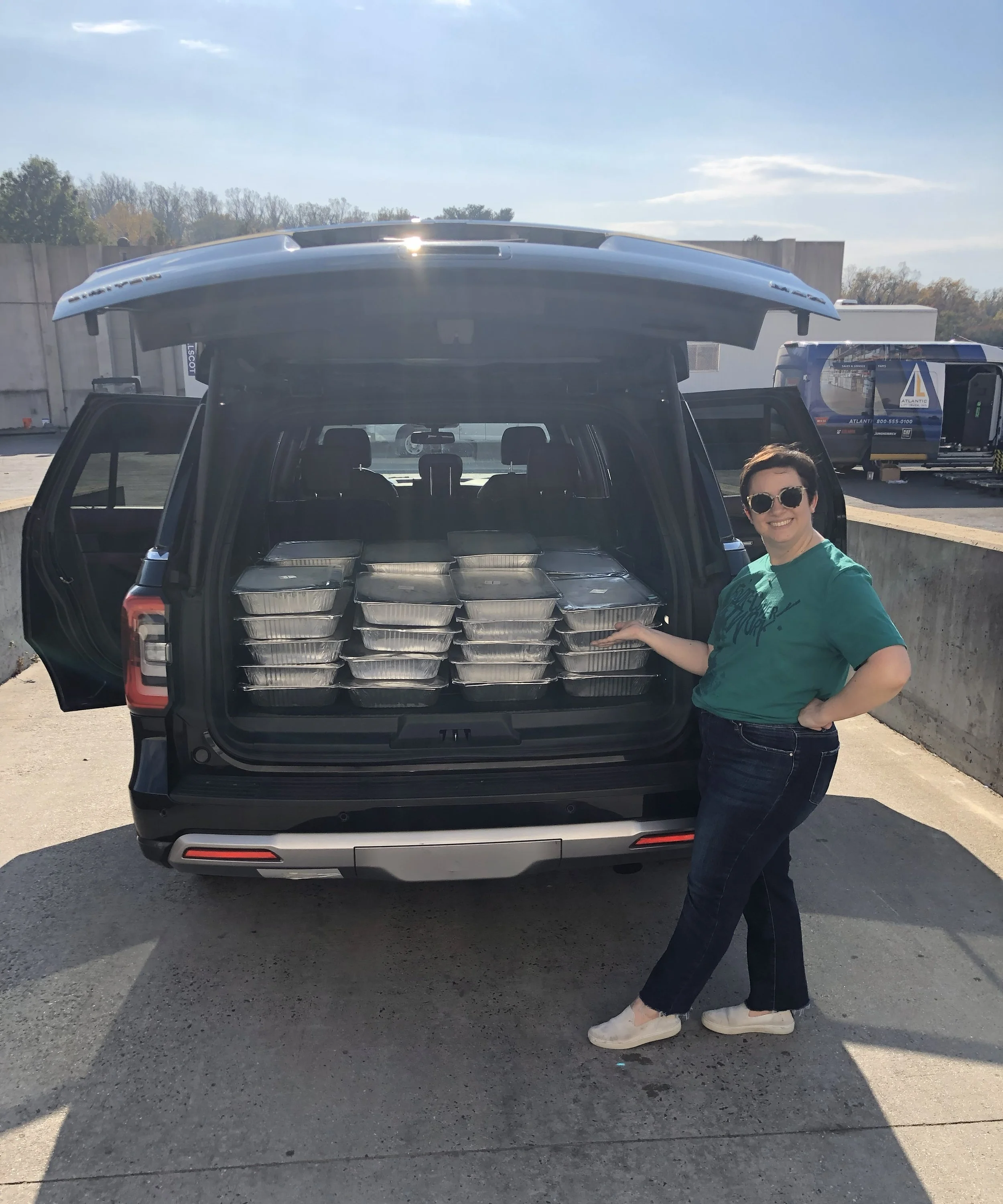
 Food Recovery Network (FRN) is thrilled to announce an exciting milestone as we approach the recovery of 100,000 pounds of surplus food in partnership with Gaylord National Resort and Convention Center. In just over 2 years, our collaboration has grown to support ten hunger-fighting partners in the greater D.C. area, providing nearly 85,000 meals.

WASHINGTON, Dec. 11, 2025 -- Food Recovery Network (FRN) is thrilled to announce an exciting milestone as we approach the recovery of 100,000 pounds of surplus food in partnership with Gaylord National Resort and Convention Center. In just over 2 years, our collaboration has grown to support ten hunger-fighting partners in the greater D.C. area, providing nearly 85,000 meals.

"Our partnership with Gaylord National has proven to be transformative for our community. Each pound of food recovered not only alleviates hunger but also demonstrates the power of collective action," said Regina Harmon, Executive Director of FRN. "As we near the 100,000-pound mark, we invite everyone to engage with us, celebrate with us, in this mission to combat food waste, connect people in our community who need it with high-quality food, and make a positive impact on our climate." 

FRN and Gaylord National began their official partnership in June 2023. Since then, FRN's team has picked up surplus food from Gaylord National every other week. On average, over two weeks, Gaylord's culinary team saves about 1,200 pounds of perfectly good food, simply prepared in excess, from all of the meetings and events held in their conference and resort center.

"With rising food costs and growing need, the support from Food Recovery Network couldn't be more impactful. The hundreds of trays of prepared, high-quality meals they provide each week through Gaylord allow us to serve nearly all of our breakfasts and many of our lunches for neighbors experiencing homelessness. Their dedication to reducing waste and nourishing our community strengthens our work every day, and we're deeply grateful for their partnership." - Chef Richard Snyder, Central Union Mission Kitchen Manager

Gaylor National is committed to the longevity of the partnership and its sustainability efforts.  Says, Hotel Manager, Ryan Verhulst, "Food recovery is essential to reaching our sustainability goals. As part of the Marriott family, we have an emphasis on nurturing our world and reducing our environmental footprint. This includes decreasing our food waste and increasing our contribution to our community. Partnerships like the one we have with the Food Recovery Network help us reach our goals while also giving back to local families in need."

Join us in celebrating our achievements and be part of our journey to achieving that monumental 100,000-pound mark! For more information on how to engage with Food Recovery Network, visit foodrecoverynetwork.org.

Together, we can create lasting change for our community and our planet. 

Would you like to join us for a food recovery, to be onsite for the ONE HUNDRED THOUSANDTH POUND, or interview Regina Harmon, Chief Executive Officer? Please contact Sarah Corbin, Director of Communications: sarah.corbin@foodrecoverynetwork.org, 708-714-1357.

Food Recovery Network (FRN) is the largest student-led movement recovering surplus food and ending hunger in the U.S. We unite 8,000+ college students, food suppliers, farmers, and local businesses across the U.S. in the fight against climate change and hunger by recovering surplus food from across the supply chain and donating it to local nonprofit organizations that feed people experiencing hunger.

Read More
Katie Aguila Katie Aguila

How to Start Your Chapter In 3 Steps

FRN helps students join the movement to fight waste and feed people by starting an FRN chapter to recover and distribute surplus food on their campus and in their wider community. There are only 3 steps to starting a chapter –

Katie Aguila, Director of Programs

As a part of FRN’s team for more than 7 years, I’ve met so many incredible college students who are passionate, creative, and searching for ways to make a meaningful difference on their campus. They come to FRN after learning about food waste and hunger and how they impact our communities, and they’re ready to be a part of the solution. The only question left is…how? 

FRN helps students join the movement to fight waste and feed people by starting an FRN chapter to recover and distribute surplus food on their campus and in their wider community.

Keene State College Chapter

There are only 3 steps to starting a chapter – 

  • Build a team of 3 student leaders

  • Find a faculty or staff advisor to support

  • Choose a chapter path - food recovery, advocacy and education, or volunteer service

Then you’re ready to turn in your new chapter application and officially join FRN! 


While we’ve made it simple to start a chapter, we know getting started on actually building a food recovery program with your chapter can feel daunting, even when you’re bursting with energy to do it. The problems of food waste and hunger are so huge and overwhelming, and they can leave any of us feeling like there’s no way that one person can begin to tackle this.

After attending student-led conferences, tabling at colleges and universities to help students learn how they can join FRN, and hundreds of calls with students guiding them through how to start a food recovery program, we realized that we needed a different resource to help students get started – something to demystify the process of starting a chapter and break it down into tangible steps. 

Enter our new how to build a chapter workbook. It takes some of the top questions and roadblocks that we get from students and helps you walk through each of them so you can start recovering food and feeding people in your community. In the workbook, you’ll look into opportunities to recover food on and off campus, identify potential partners to donate recovered food to, identify where you can find volunteers and a chapter advisor, and set yourself up to become an official FRN chapter and start recovering food.

Remember, you don’t need to have answers to all of these questions before turning in your new chapter application. We’re here to help figure out these together! But if you’re feeling stuck on how to bring food recovery to your campus, this workbook is for you


Here’s a sneak peak of some of the biggest questions students bring to us when they’re getting started, and how our new workbook can help you answer them:


It’s just me – how do I find more people to build a chapter with? 

We’ll help you brainstorm different events or spaces you can join and host to find your leadership team, chapter advisor, and volunteers – things like other campus clubs, student org fairs, and sustainability or student engagement programs.  

I’m not sure what my campus or community needs when it comes to food recovery. What should I do? 

First, we’ll help you think about food recovery in a larger context so you can build a program that makes sense for you and your community. You’ll take a look at what barriers there are to food access in your area, how your campus supports students facing food insecurity, and other factors that will help you figure out what kind of food recovery activities to do. 

Where do I find food to recover?  

First, we’ll have you take a look at what’s already going on on your campus. Do you have dining halls, cafes, franchised dining spots? Then look at what kind of food places are off campus but nearby – like grocery stores, cafes, and farmers markets.  What’s the food like at these different places? Your chapter can recover prepackaged snacks, prepared meals, fruits and veggies, and more. 

Where should I bring recovered food?

Start by looking into what hunger-fighting work is already being done on your campus and in the wider community. Does your school already operate a food pantry or free fridge? What other groups run food distribution programs that you can tap into? 

From there, you can look at the logistics of recovering food to help you determine which partner is right for you. You’ll walk through volunteer needs, transportation options, and supplies needed. 


I hope this helps inspire you to take the next step to building your FRN chapter, and there’s so much more packed into the workbook to help you get started. Questions, or want to chat more?

Email us anytime at programs@foodrecoverynetwork.org.

The Central Lakes College Chapter provides food for their on-campus food shelf.


Read More